Unusual noises from roller garage doors in Sydney often indicate worn, loose, misaligned or damaged components. Grinding, scraping, rattling or humming may point to friction, loose hardware, incorrect alignment or a developing motor fault. Identifying these changes early can help prevent further wear and maintain safe, reliable operation.
Advanced Garage Door Systems understands the importance of investigating unusual sounds before they develop into more extensive problems. This guide explains the common causes of excessive roller garage door noise, what different sounds may indicate, which basic checks homeowners can safely perform and when professional repairs are required.
Roller garage doors naturally produce some sound as the curtain moves through the side guides and rolls around the axle. However, a noticeable change in volume, tone or operating pattern should not be ignored.
A correctly installed and maintained roller door should move with a relatively consistent sound. Sudden grinding, sharp banging, repeated rattling or a motor that begins to strain may indicate that a component is wearing, moving out of alignment or working under more load than intended.
Noise becomes more concerning when it occurs alongside:
Continuing to operate a door in this condition may increase wear on the curtain, axle, drum wheels, brackets, guides or opener.
A roller door relies on correct spring tension, secure brackets, aligned guides and smooth curtain movement. When one of these elements is compromised, the door may become harder to operate or move unpredictably.
Concerning noises may be caused by:
These issues may eventually cause the door to jam, stop partway or close unevenly. Noise should therefore be treated as a warning sign, particularly when accompanied by irregular movement.
Many unusual sounds are produced by friction, vibration or increased resistance. A scraping curtain may be rubbing against a damaged guide, while rattling may indicate loose hardware. A strained motor may be compensating for poor balance or resistance elsewhere in the system.
Operating the door repeatedly without addressing the cause may damage:
Investigating the problem early may prevent a minor alignment or maintenance issue from becoming a more extensive repair.
The type of sound and the point at which it occurs can help narrow down the likely source. Homeowners should pay attention to whether the noise occurs at the beginning of travel, halfway through movement or as the door reaches the floor or fully open position.
The location of the sound can also provide useful clues. Noise near the sides of the opening may relate to the guides or curtain, while sound from above the door may originate around the axle, brackets or opener.

A harsh grinding or scraping sound usually indicates friction between components that should be moving freely.
Common causes include:
If the scraping occurs at the same point during every cycle, there may be a damaged section of the guide or curtain. Shiny wear marks, scratched paint or damaged curtain edges can also help identify where contact is occurring.
Grinding from the motor or axle area requires professional attention, particularly when the door also slows, shudders or struggles to move. Continuing to operate the door may increase the damage.
Rattling commonly indicates loose hardware or movement between components.
Possible causes include:
Because vibration travels through metal components, the sound may appear to come from a different location than the actual fault. A loose bracket above the opening, for example, may create rattling that echoes down the side guides.
Any accessible hardware can be visually inspected while the door is fully closed and the power has been isolated. Homeowners should not remove brackets, loosen axle components or work near the rolled curtain.
A sharp bang at the beginning or end of travel may indicate that the door is stopping too abruptly or moving unevenly.
Possible causes include:
A loud bang followed by a noticeable change in the weight or movement of the door may indicate a spring or balance problem. The door should not be operated again until it has been inspected.
High-pitched squealing generally points to friction in a moving component.
The noise may come from:
Suitable lubrication may help where the manufacturer recommends it, but lubricant should not be used to disguise ongoing scraping, grinding or resistance.
Heavy grease and sticky oils should generally be avoided on guide surfaces because they collect dust and grit. The correct product and lubrication points depend on the door and opener manufacturer.
A motor that hums without moving the door is receiving power but may be unable to overcome resistance or start correctly.
This can occur when:
Repeatedly pressing the remote is unlikely to solve the problem and may cause the motor to overheat.
A motor that has become louder over time or sounds strained while the door moves may also be working harder than intended. The underlying problem may be with the door balance or alignment rather than the opener itself.
Clicking may occur when the opener receives a command but cannot complete the movement.
Potential causes include:
If the opener clicks, hums or repeatedly stops without moving the door normally, the power should be isolated and professional inspection arranged.
Roller doors use fewer exposed moving components than sectional garage doors, but each part must remain correctly aligned and secured for smooth operation.
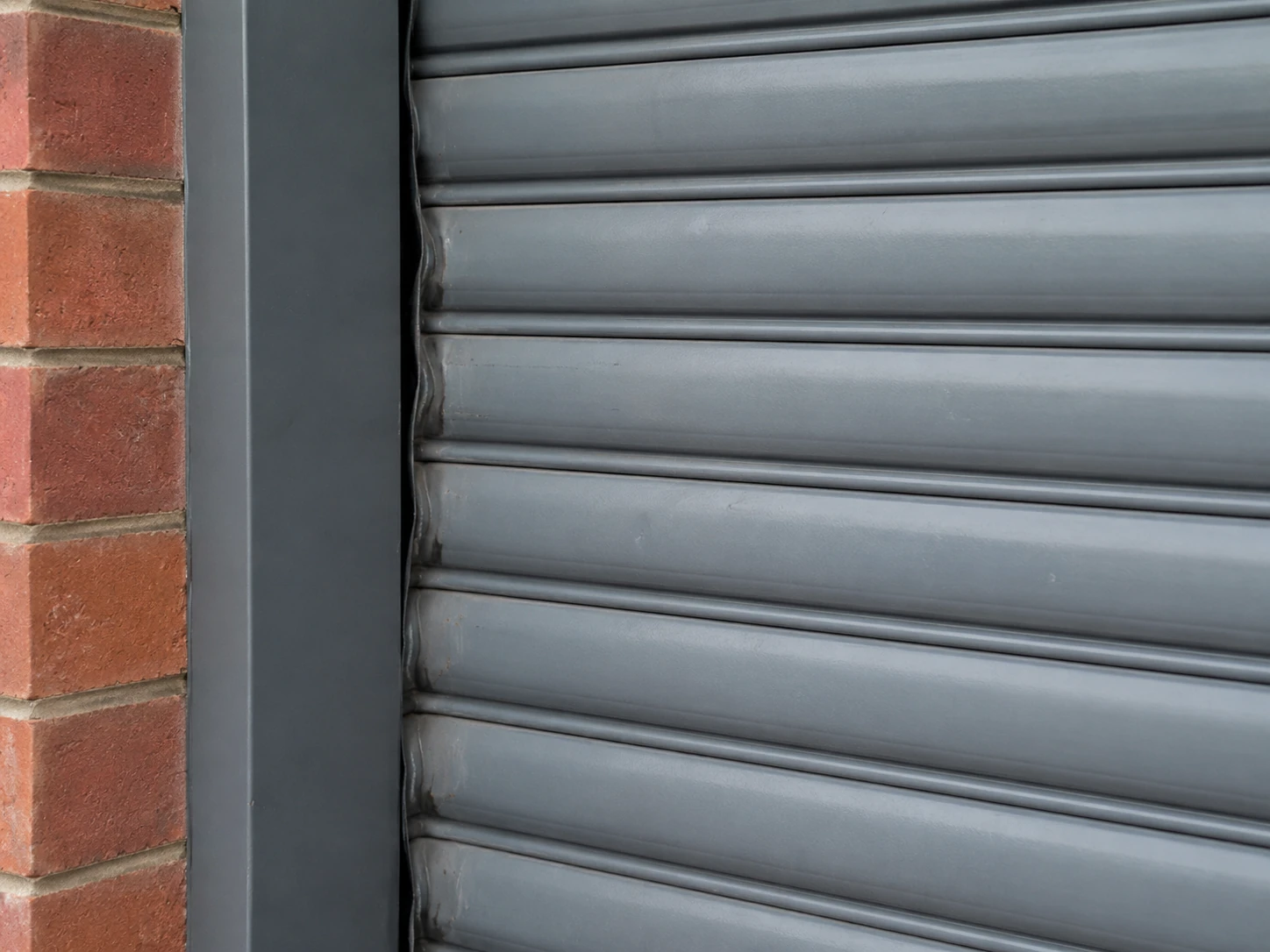
The curtain is the flexible corrugated section that forms the door. Its edges travel inside vertical side guides as the door opens and closes.
Noise may develop when:
Scraping or crunching sounds often occur when debris is trapped in a guide. A soft brush may be used to remove loose dirt while the door is closed and isolated from power.
Visible scratches, polished wear marks or uneven gaps between the curtain and guides may indicate an alignment problem. Bent or twisted guides normally require professional adjustment or replacement.
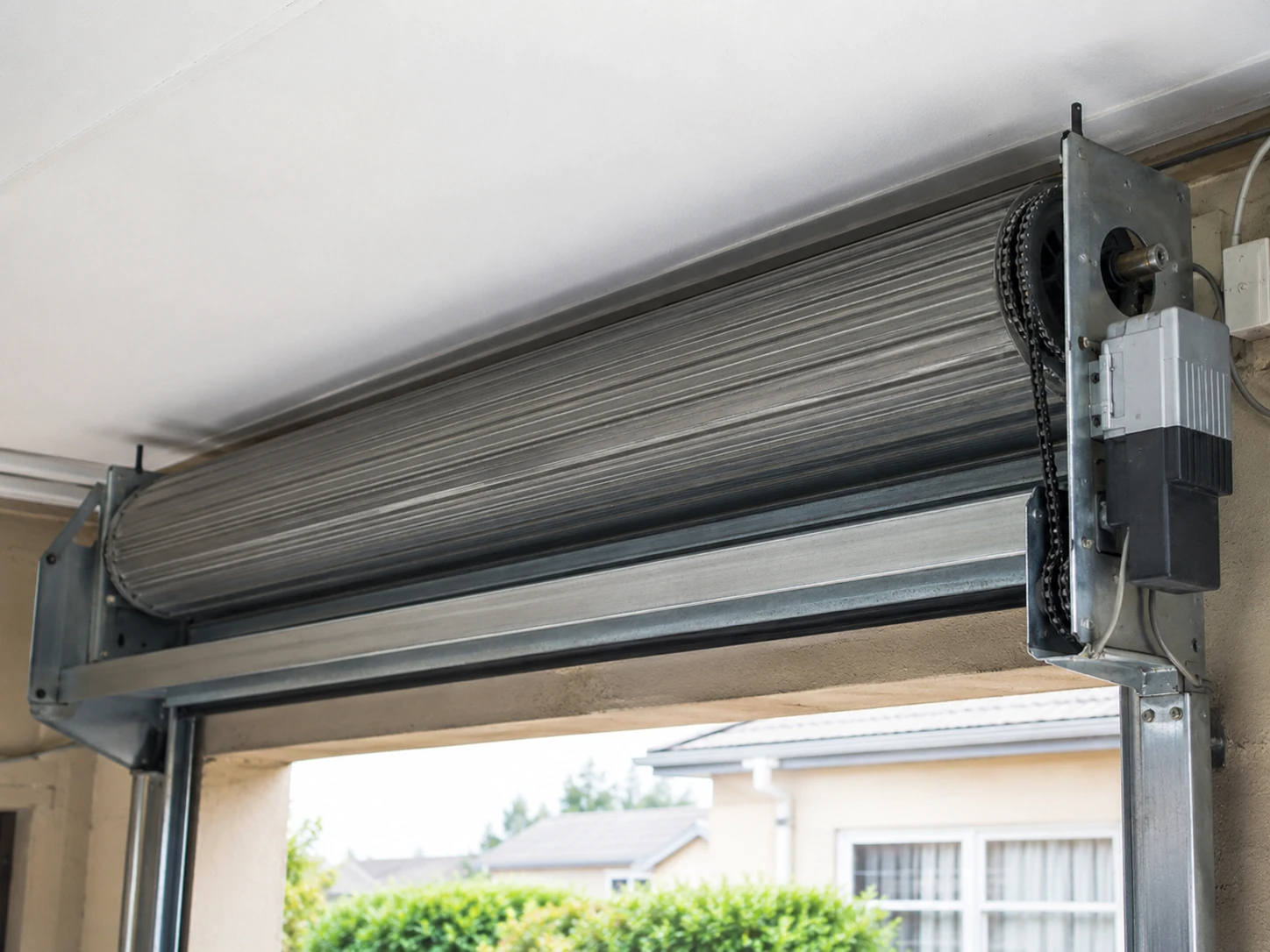
The roller door curtain coils around an axle above the opening. Drum wheels and related components help support and guide the curtain as it rolls.
Wear or misalignment in this area may cause:
These components are positioned close to the spring and stored tension system. They should not be dismantled, adjusted or lubricated without the correct knowledge and equipment.
The counterbalance spring helps offset the weight of the door so it can be moved by the opener or by hand when correctly disengaged.
When the spring balance is incorrect, the door may:
Spring tension should only be adjusted by a trained garage door technician. Incorrect adjustment can cause uncontrolled door movement or release stored tension.
The axle and door assembly are supported by brackets secured to the surrounding structure. Guide tracks and opener components also rely on secure fixings.
Loose hardware may produce:
With the door fully closed and the power isolated, homeowners may visually check accessible fixings for obvious gaps, movement or missing fasteners. Hardware connected to the axle, springs or rolled curtain should not be adjusted.
The opener drives the door and controls its travel. Noise from the motor area may relate to an internal component, incorrect settings or excessive resistance from the door.
Possible signs of an opener problem include:
A struggling opener does not always mean the motor itself has failed. Poor spring balance, guide resistance or a damaged curtain may be placing additional load on the unit.
Basic observations may help identify the general source of a noise, but homeowners should avoid dismantling or adjusting tensioned components.
Before inspecting the door:
Safe checks may include:
Inspect the visible parts of the side guides for leaves, stones, dirt or other material. Loose debris can sometimes be removed with a soft brush.
Do not insert tools or fingers deeply into the guides or work on the guides while the door is moving.
Check the curtain and guides for:
Damage that affects how the curtain sits inside the guides should be assessed professionally.
Observe the door from a safe distance and note:
This information can help a technician diagnose the issue more efficiently.
Dust and loose dirt can be removed from accessible door surfaces using a soft cloth or brush. Mild detergent may be used where appropriate, but harsh chemicals should be avoided.
Lubrication should only be applied to points recommended by the door or opener manufacturer. Spraying lubricant indiscriminately into the guides or motor assembly may attract dirt or affect operation.
Some roller door components operate under substantial weight and stored spring tension. Improvised repairs may cause the door to move unexpectedly or damage additional components.
Spring adjustment requires the door to be secured correctly and involves components under stored tension. Incorrect adjustment may make the door too heavy, cause it to rise uncontrollably or place excessive load on the motor.
The mounting brackets support the axle, curtain and spring assembly. Loosening or removing them can release movement in the system and create a serious safety risk.
If the door stops, binds or moves unevenly, repeatedly pressing the remote may damage the motor or curtain. Forcing the door manually can also worsen alignment problems.
Using pliers, hammers or makeshift spacers to reshape a guide can create tight points, weaken the metal or cause the curtain to jam.
Travel limits, obstruction detection and other safety systems should not be disconnected or overridden to keep a faulty door operating. These features help prevent the door from closing incorrectly or placing excessive force on an obstruction.
Some minor noise may be resolved by removing visible debris or following manufacturer-approved maintenance instructions. Persistent noise, irregular movement or visible damage generally requires professional assessment.
Arrange an inspection when:
Persistent noise may indicate wear, misalignment or damage in an area that cannot be safely accessed by a homeowner.
Professional attention is recommended if the door:
These symptoms may relate to the spring balance, curtain alignment, guide spacing, opener settings or internal motor components.
Stop using the door and arrange an inspection if there is:
A technician can secure the door, identify the source of the problem and determine whether adjustment, repair or component replacement is required.
A noticeable change in roller garage door noise can indicate friction, loose hardware, incorrect alignment, spring imbalance or a developing opener fault. Paying attention to the sound, its location and any changes in the door’s movement can help identify problems before further damage occurs.
Homeowners can safely check for visible debris and external damage, but work involving springs, brackets, the axle or motor assembly should be left to an experienced technician. Where noise persists or is accompanied by jerky movement, visible damage or reduced performance, professional assessment is the safest way to restore smooth, reliable operation.

