One day everything works fine, and the next the door refuses to move before instantly disrupting routines and access to the home. It often feels like a major mechanical failure when roller garage doors in Sydney stop opening, but often the cause is far simpler than it first appears. Understanding what can go wrong gives you confidence to respond calmly and avoid unnecessary stress. Our team at Advanced Garage Door Systems often see this issue in all kinds of homes in Sydney, and it always seems to happen at the worst possible time.
A door that does not open is more than just an inconvenience because it can affect safety and security in an instant. Vehicles get trapped inside garages or appointments are delayed while daily plans grind to a halt. Small faults can quickly grow into larger repairs if they are ignored or handled the wrong way. Knowing the most common causes and the right steps to take puts control back in your hands.
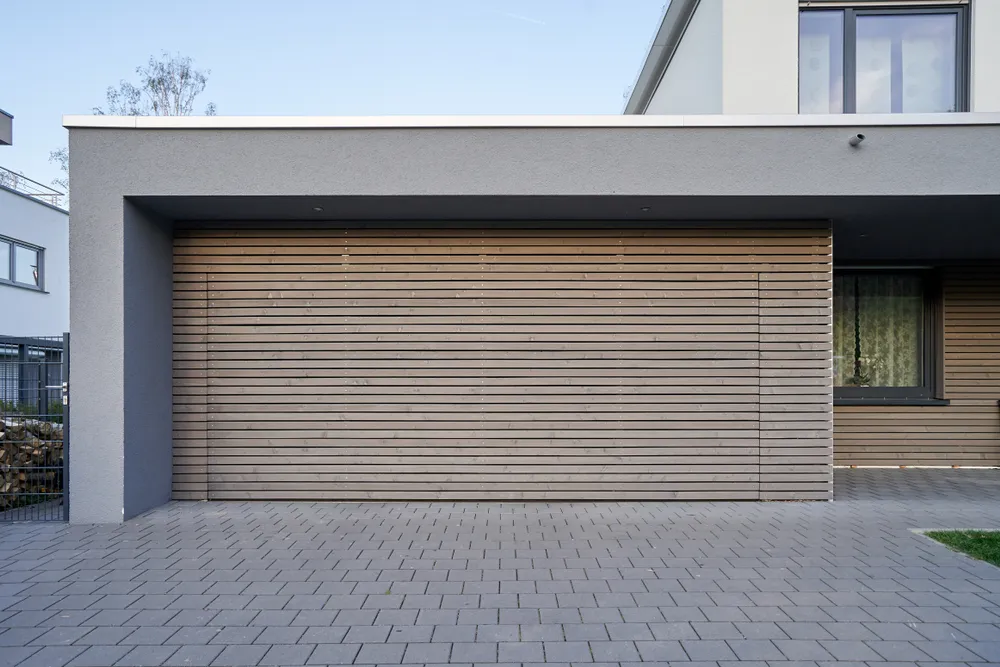
Roller doors rely on a balance of power alignment and smooth movement to open and close properly. When one part of that system slips even slightly, it can stop the entire door from working. These issues often build slowly before turning into a sudden fault that feels like it came out of nowhere. The good news is that many of these causes are well known and can be addressed once identified.
Many homes experience similar faults because of shared construction styles, daily use patterns and exposure to the elements. Doors that are used several times a day wear out key parts faster than owners often expect. Electrical systems in garages are also more prone to interruption since they often sit apart from the main living space.
Weather exposure plays a large role in door reliability, especially in areas with heat and salty air. These elements speed up rust formation and affect both metal and electrical parts inside the door system. Over time this exposure creates friction faults and electrical signal issues.
Every opening and closing cycle adds a small amount of strain to the entire door system. Over months and years those tiny stresses add up into loose fittings or stretched springs and tired motors. Even a well-installed door will eventually show signs of ageing.
When a door stops opening, the fault usually falls into one of several common categories. Some are quick fixes, while others require trained repair work to resolve safely. Spotting the general cause early helps prevent parts from being damaged further during repeated failed attempts. Many of these problems begin small before turning into a complete stoppage.
Remote controls rely on consistent signal strength to activate the opener. When batteries weaken, the signal becomes unreliable or stops completely. This is one of the easiest fixes, yet one of the most commonly overlooked.
Wall buttons rely on a steady power feed and clean internal wiring to communicate with the opener. A fault here can prevent the signal from ever reaching the motor. Power interruptions often appear without warning.
Motors are built for controlled lifting loads and repeated use, but they still have operating limits. When they work harder than intended, they heat up and shut down to protect internal parts. Over time this strain leads to full motor failure.
Springs carry most of the door weight and allow smooth lifting with minimal effort from the motor. When springs snap or lose tension, the full weight of the door shifts to the motor and causes immediate failure to lift. This fault is both common and dangerous.
Smooth movement depends on clear tracks and a clean rolling barrel. Small obstructions can create enough resistance to stop the door entirely. Even a thin buildup can cause the door to jam.
Safety sensors work by sending invisible beams across the door opening. If the beam is blocked or the sensors shift alignment, the door will refuse to operate. These systems prevent injury, but they are sensitive to movement and dirt.
The manual release allows the door to be opened during power outages. If this cord is pulled by accident, the door disconnects from the motor and will not open automatically. This often happens during storage work or cleaning.
Limit settings tell the motor how far the door should travel up and down. When these settings drift, the motor can stop too early or refuse to move. This creates the appearance of a locked door.
Troubleshooting should always focus on safety before convenience. Some checks are safe for homeowners to perform, while others should be left strictly to trained technicians. The goal is to identify simple issues without risking injury or causing further damage. Knowing the limits of safe inspection prevents accidents.
Basic visual and electrical checks can often reveal the source of the problem quickly. These tasks do not involve dismantling any mechanical parts. They help confirm whether the issue is electrical or mechanical or operational.
Some systems include safe reset functions that can restore operation after temporary faults. These resets should only be attempted when the door is fully clear of obstruction. Resetting does not fix mechanical damage but can restore correct electrical operation.
Certain components store extreme energy and pose serious injury risks if handled incorrectly. Springs and lifting cables are under constant high tension. Motors contain electrical parts that require specialist skills and tools to service safely.
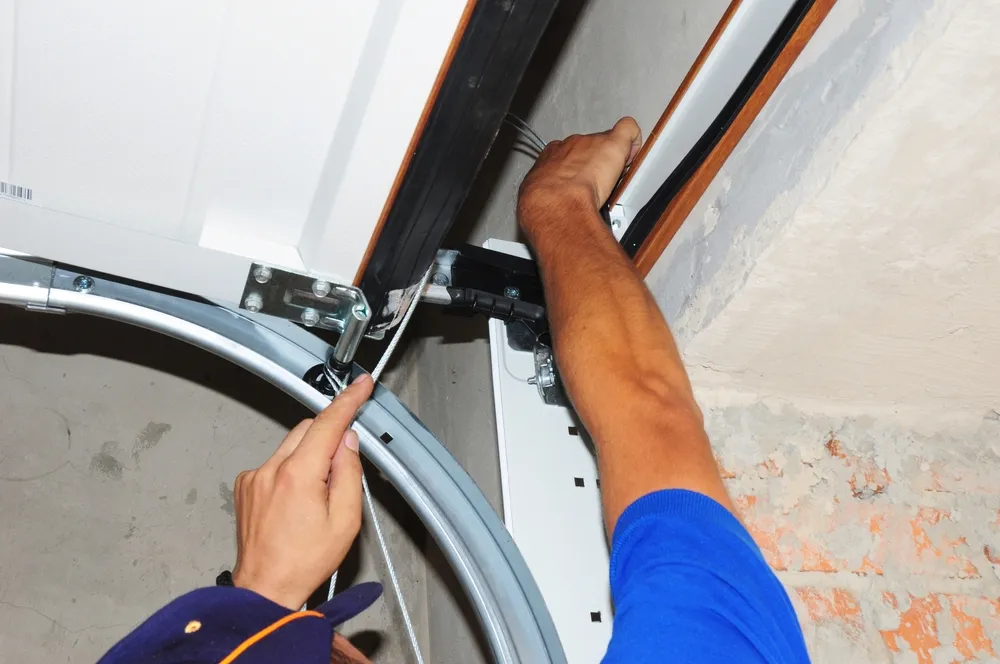
Some warning signs clearly indicate when professional help is required. Waiting too long can make repairs more expensive and more dangerous. Early attention avoids total system failure and restores reliable operation sooner. Professional assessment ensures the correct parts are repaired or replaced properly.
Motor faults often announce themselves before total failure occurs. Ignoring these early signs leads to sudden breakdowns at inconvenient times. Professional testing confirms whether a repair or full replacement is the safest option.
Spring and tension problems are among the most hazardous faults in door systems. These parts control the safety balance of the entire door structure. Immediate professional repair prevents injury and property damage.
Routine servicing identifies small faults before they stop the door completely. Preventative maintenance keeps all parts working under correct tension and alignment. This investment reduces sudden breakdowns and extends system life.
It can feel overwhelming when a roller door refuses to open, but the cause is often far less serious than it seems. Small electrical faults or alignment shifts and even worn components account for most sudden stoppages. Acting early and avoiding risky DIY on tension parts protects both your safety and your system. Consistent care restores smooth operation and reliable access to your garage.
Advanced Garage Door Systems constantly works with homeowners to diagnose and resolve these sudden faults with precision and care. A well-maintained door provides peace of mind and long-term value for the property. Preventative attention always costs less than emergency repairs. When your door opens smoothly each time, the stress disappears and daily life flows again.

