Sydney’s climate is beautifully varied. However, that diversity can be tough on garage doors. From salty coastal air to humid summer storms and cool winter mornings, your garage door faces constant environmental stress. For homeowners, maintaining reliability and extending the lifespan of your door begins with understanding how local conditions affect its performance. At Advanced Garage Door Systems, we see how smart, seasonal care prevents expensive repairs and keeps roller garage doors that homeowners rely on operating smoothly year-round.
This guide breaks down practical maintenance steps tailored to unique weather patterns, helping you protect your garage door from corrosion, wear and premature breakdowns.
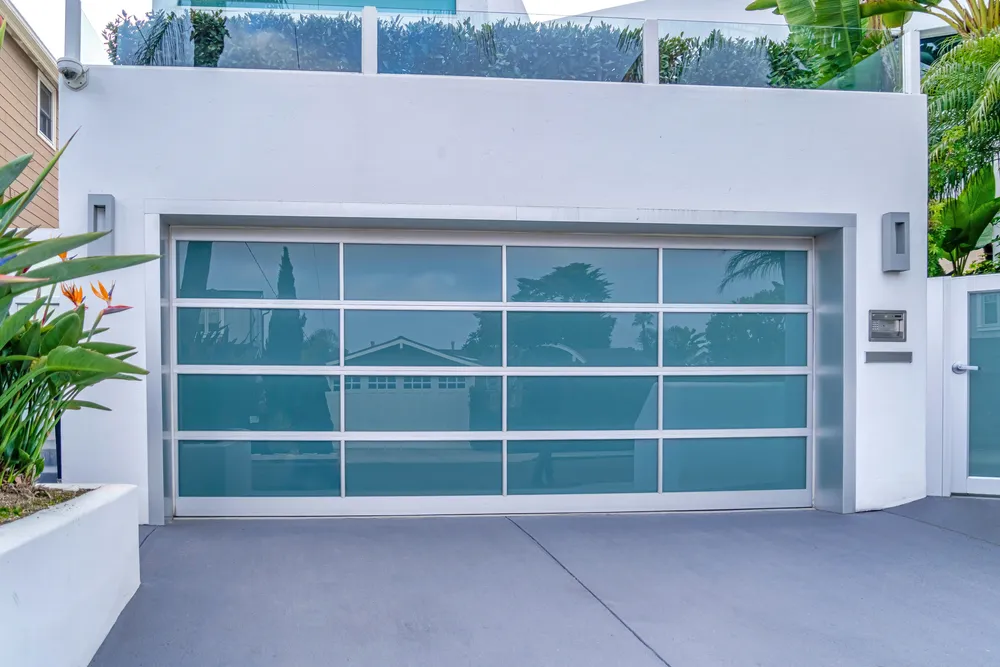
Coastal suburbs experience higher levels of salt, moisture and humidity. These conditions accelerate rust formation and surface corrosion, especially on metal garage doors and hardware. If you live near the ocean, your maintenance routine needs an extra layer of protection. Below, we break down how coastal exposure affects your garage door, why salt buildup is a silent threat and the preventive methods that keep roller garage doors safe from damage.
Coastal environments can dry out lubricants faster and cause hinges, rollers and springs to seize. Before applying any product, you need to understand which lubricants resist corrosion and which coatings can act as a barrier against salt and moisture. Using the right formula can reduce wear and noise while preventing metal parts from deteriorating prematurely. Try these practical tips:
Salt crystals settle on garage doors and hardware, even when you don’t notice them. Over time, they cause small oxidation spots that grow into structural corrosion. Regular inspections help you catch issues early and prevent costly repairs or replacements. To help you, use the following steps to stay ahead of salt-related damage:
Many modern garage doors include electrical systems such as openers, wall consoles and wireless receivers. Moisture can affect wiring, cause intermittent operation or create safety hazards. Protecting these components is essential in humid or coastal areas. When it comes to electrical components, here’s what matters most:
Sydney’s weather fluctuates throughout the year: hot summers, humid storms, cooler winters and occasional windy conditions. These transitions impact how your garage door operates, how its materials expand and contract and the amount of stress placed on springs and tracks. Seasonal weather changes put different types of stress on your garage door. A little preparation goes a long way in preventing breakdowns.
Summer in Sydney brings intense UV exposure, sticky humidity and sudden electrical storms. These conditions can cause fading, warping, swollen timber frames and mechanical strain on rollers and springs. Preparing your garage door before summer ensures you avoid mid-season malfunctions when heat and moisture reach their peak. You can follow these tips to prepare your door for summer:
Winter in Sydney may be milder than in other states, but temperatures still drop enough to affect door performance. Metal components contract in cold weather, which can lead to stiff operation or louder movement. Winter is also when many homeowners forget about garage door maintenance, making issues more noticeable when spring arrives. These steps will keep your garage door running smoothly during colder months:
The weather can shift quickly throughout the year, and these temperature changes affect the materials used in your garage door more than most homeowners realise. Metal components tend to contract in cooler months and expand when exposed to summer heat. Timber frames and trims react even more, absorbing moisture during humid periods and shrinking during dry spells. Eventually, these natural movements can cause your garage door to run less smoothly, feel heavier or even become misaligned. If you notice your door sticking or hesitating, these adjustments can help:
You don’t need major repairs to make your garage door last longer; small, consistent habits make the biggest difference. By building a reliable maintenance routine, homeowners can protect roller garage doors, minimise unexpected breakdowns and ensure the door remains safe, quiet and efficient. This section explores practical, easy-to-follow steps that make a noticeable difference in performance.
Most major garage door failures start as small, easily preventable issues. A loose bolt, a slightly misaligned track or a noisy roller might not seem urgent at first. But these early warning signs often lead to bigger problems if ignored. Establishing a routine inspection habit helps you spot changes in how your garage door sounds, moves or responds long before they develop into costly repairs. By paying attention to these small indicators and addressing them promptly, you can extend the life of your door and avoid inconvenient breakdowns during busy seasons. A few minutes each month can prevent major issues:
While many small maintenance tasks can be handled by homeowners, certain repairs require the skill and safety expertise of a trained technician. Springs and cables, for example, are under high tension and can cause serious injury if handled incorrectly. Motorised systems also require precise calibration to remain safe and compliant with Australian standards. Knowing when to step back and call a professional ensures your garage door receives the right care and prevents further damage caused by DIY attempts. If your door starts feeling heavy, uneven or unreliable, it’s time to call a professional. Call them if you notice:
Even with consistent care, certain parts of your garage door naturally wear down. As components age, they lose efficiency, become noisier or place more strain on the opener and lifting system. Upgrading these parts before they fail not only improves everyday operation but also enhances safety, energy efficiency and overall durability. Proactive upgrades help maintain the value and functionality of your garage door. These upgrades offer big improvements in performance and longevity:
Different climates demand a proactive approach to garage door maintenance. With salt-heavy coastal winds, hot summers and shifting seasonal conditions, consistent care is essential for keeping your door reliable and long-lasting. Whether you’re maintaining a new installation or caring for older roller garage doors, small maintenance routines go a long way. And when you need expert support, we here at Advanced Garage Door Systems are here to help you keep your garage door performing at its best year-round.

