When planning home upgrades, the garage door is not always the first feature that comes to mind. Yet it is one of the largest moving components of a property and can influence comfort, security, noise control and energy performance. For homeowners comparing garage doors in Sydney, the decision often comes down to whether an insulated model is worth the extra investment or whether a standard non-insulated door will do the job.
Advanced Garage Door Systems looks at how insulated garage doors perform in real homes, when they are worth considering and when a standard garage door may be the more practical choice. Not every property needs a high-performance insulated door, but in the right setting, insulation can make a noticeable difference to comfort, durability and everyday use.
This article explains where insulated garage doors provide the most value, where they may not be necessary and which other factors affect performance, including sealing, materials, construction quality and installation.
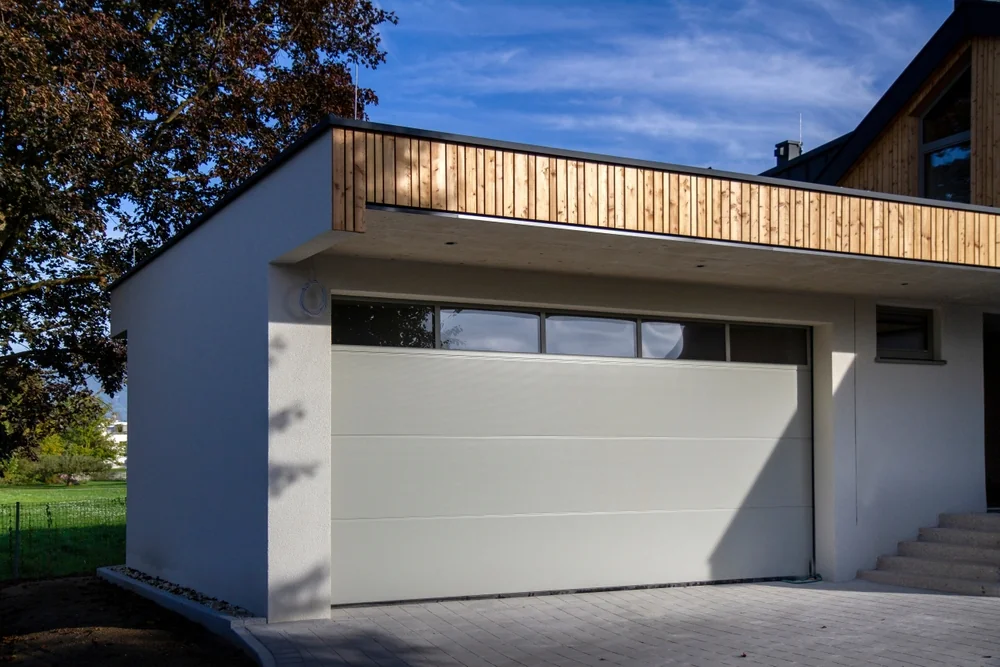
Homeowners usually consider insulated garage doors for three main reasons: comfort, energy efficiency and quieter operation. An insulated door helps slow heat transfer between the outside air and the garage, which can make the space more stable during hot Sydney summers and cooler winter mornings.
This matters most when the garage is attached to the home, shares walls with living areas or sits below a bedroom or second-storey room. In these situations, a non-insulated garage door can allow more heat and cold to move into the garage, which can then affect the rooms beside or above it.
Insulated garage doors can also feel stronger and operate more quietly than basic single-layer doors. For many households, the garage is used every day as a main entry point, storage area or workspace, so these benefits can improve both comfort and practicality.
An insulated garage door creates a better barrier against outdoor temperatures. During summer, it helps reduce heat entering the garage. During cooler months, it can help limit heat loss so the garage does not feel as cold as the outside air.
This can be especially useful when:
A non-insulated door allows outdoor temperatures to affect the garage more directly. This can make adjoining rooms harder to cool in summer or less comfortable in winter. An insulated door reduces these temperature swings, helping the garage act as a more effective buffer between the home and outdoor conditions.
The energy savings will vary depending on the home. Insulation works best when the rest of the garage is also reasonably sealed, including the side gaps, bottom seal, ceiling and any shared walls with the house.
A more stable garage environment can also help protect what is stored inside. Garages are often used for more than vehicles, with many households storing tools, sports gear, paint supplies, seasonal items, camping equipment, furniture and household goods.
Insulated garage doors can help reduce sharp temperature changes, which may benefit items affected by heat, cold or moisture. They can also help reduce condensation on metal tools, shelving and equipment when the garage is better sealed and ventilated.
This does not mean an insulated garage door turns the garage into a fully climate-controlled room. However, it can help reduce the harshest temperature swings, especially in attached garages or garages that receive direct afternoon sun.
Insulation inside the door panels can also help reduce noise. This is useful when the garage faces a busy road, sits close to bedrooms or is used early in the morning or late at night. Insulated doors often produce less vibration and rattling when opening and closing, which can make them feel smoother and quieter during daily use.
Many insulated garage doors also have stronger construction than basic single-layer doors. A common design is a multi-layer door with steel skins and insulation inside the panel. This added structure can improve stiffness, reduce panel flex and make the door more resistant to minor dents.
For homeowners who use the garage frequently, this added durability can be just as valuable as the thermal benefit. A stronger, quieter door can feel more secure, operate more smoothly and contribute to the overall finish of the home.
Insulated garage doors provide the greatest benefit when comfort, noise control and temperature stability matter. This usually applies to attached garages, garages under living spaces and garages used for more than parking.
In many homes, the garage door is one of the largest surfaces exposed to outdoor conditions. Replacing a thin, hollow or ageing door with an insulated model can reduce heat gain in summer, limit heat loss in cooler weather and improve how the surrounding rooms feel.
Attached garages tend to benefit most from insulation because they are connected to the rest of the home. If the garage shares walls, ceilings or internal entry points with living areas, temperature changes inside the garage can affect nearby rooms.
This is especially noticeable when bedrooms, offices or family rooms sit above or beside the garage. A poorly insulated garage can contribute to hot walls, cold floors, draughts or rooms that are harder to keep comfortable.
An insulated garage door helps reduce this effect by keeping the garage temperature more stable. It can also make the internal entry from the garage into the home more comfortable, particularly when that door opens into a hallway, laundry, kitchen or living area.
If the garage doubles as a workshop, gym, home office or hobby space, insulation becomes more valuable. Comfort is no longer just a bonus. It directly affects how usable the space is throughout the year.
An insulated garage door can help make the garage more comfortable for longer periods without relying as heavily on portable heating or cooling. It also works well alongside other improvements, such as sealing gaps, insulating walls or ceilings and improving ventilation.
Noise reduction is another advantage in this setting. Insulated doors can help reduce sound from traffic, neighbours and door operation, making the garage more suitable for work, exercise or hobbies.
An insulated garage door is not automatically the best choice for every home. In some cases, a standard non-insulated door or a lightly insulated model may provide better overall value.
The right choice depends on how the garage is used, whether it is attached or detached, how exposed it is to sun and weather, and whether the rest of the garage is sealed well enough for insulation to make a meaningful difference.
If the garage is fully detached and used mainly for vehicle parking or general storage, insulation may have limited impact on comfort or energy use. Without shared walls or heating and cooling, the garage temperature will still follow outdoor conditions to some degree.
For a detached garage used for lawn equipment, tools or general storage, a standard steel door can be a practical and cost-effective option. Security, durability, appearance and reliable operation may be more important than thermal performance.
Insulation may still be worth considering if the detached garage is used as a workshop, studio or hobby area, or if the goal is to reduce noise. However, for simple storage, a premium insulated door is often not essential.
Some homeowners rarely spend time in the garage beyond parking the car or accessing storage. In these cases, the day-to-day benefit of an insulated door may be less noticeable.
A homeowner who only uses the garage briefly may not gain enough comfort improvement to justify the added cost of a high-performance insulated model. A mid-range door with basic insulation, or a quality non-insulated door, may provide a more sensible balance between price, appearance and function.
This is especially true where the garage is separated from the main living area and does not significantly affect the comfort of the home.
An insulated garage door works best when the rest of the garage is reasonably well sealed. If there are large gaps around the frame, worn bottom seals, uninsulated walls, an exposed ceiling or draughts around windows, upgrading the door alone will not solve every comfort issue.
The same applies if the wall between the garage and the home is poorly sealed. Heat and cold can still move through gaps, ceiling spaces and internal doors even if the garage door has a high insulation rating.
In these situations, it may be more effective to first address weather seals, air gaps, ceiling insulation and the internal door between the garage and the home. Once those areas are improved, an insulated garage door can perform more effectively.
Insulation is important, but it is only one part of garage door performance. The material, construction, weather seals, hardware and installation quality all influence how well the door works in daily use.
A well-insulated door can still underperform if it is poorly fitted, badly sealed or installed with low-quality hardware. For the best result, the door should be considered as a complete system rather than just a panel with insulation inside it.
The material and construction of the garage door affect strength, maintenance and long-term performance. Steel is a common choice because it offers durability, security and relatively low maintenance. Multi-layer steel doors with insulation between inner and outer panels generally perform better than thin single-layer doors.
Aluminium doors are lighter and can suit some modern home designs, but they may not provide the same insulation performance unless designed with suitable insulated sections. Timber-look and composite finishes can also offer strong visual appeal, but the long-term performance will depend on the specific door system and maintenance requirements.
The type of insulation also matters. Polystyrene insulation is often used in more affordable insulated doors, while polyurethane insulation generally provides stronger thermal performance and panel rigidity. The best option depends on the homeowner’s budget, garage use and comfort goals.
Even a high-quality insulated garage door will not perform well if air can move freely around it. Perimeter seals along the sides and top of the door, along with a flexible bottom seal, help reduce draughts, dust, insects and moisture entry.
Over time, rubber and vinyl seals can harden, crack or compress. When this happens, light may be visible around the edges of the door, and air can move through the gaps. Replacing worn seals is a simple but important part of improving garage comfort and performance.
For attached garages or spaces used as workshops, reducing air leakage can matter as much as the insulation inside the door panels. A well-sealed door helps the garage maintain a more stable temperature and reduces the impact on nearby rooms.
Springs, tracks, rollers, hinges and openers all affect how smoothly and quietly a garage door operates. This becomes especially important with insulated doors, which may be heavier than basic non-insulated models.
High-quality hardware helps reduce strain on the opener and supports smoother movement over time. Proper installation is equally important. The door must be correctly sized, levelled and balanced so it seals evenly against the frame.
Poor installation can leave gaps, create noisy movement and reduce the benefit of insulation. A door that is not balanced correctly may also place unnecessary strain on the opener and hardware, leading to earlier wear.
Before choosing an insulated garage door, homeowners should consider how the garage functions within the property. The best choice depends on whether the garage is attached, how often it is used, what is stored inside and whether comfort or noise reduction is a priority.
It is also worth looking at the existing condition of the garage. If the garage has worn seals, large gaps or poor insulation elsewhere, those issues may need to be addressed alongside the door upgrade.
An insulated garage door is usually more worthwhile when the garage is attached to the home, positioned below bedrooms or used as a practical extension of the living space. This includes garages used as workshops, gyms, hobby rooms, laundries or home offices.
If the garage is detached, used only for parking and not connected to heating or cooling, insulation may be less important. In that case, durability, appearance, security and reliable operation may be the main priorities.
The more often the garage is used, the more valuable comfort and noise reduction become. A door that opens and closes several times a day needs to perform well, seal properly and operate smoothly.
Insulated garage doors cost more upfront, but they can offer benefits beyond energy performance. Quieter operation, stronger construction, better comfort and improved appearance can all add value, especially in homes where the garage is highly visible or used daily.
The key is choosing the right level of insulation for the property. A premium insulated door may be worthwhile for an attached garage under a bedroom, but unnecessary for a detached garage used only for storage. In some homes, a mid-range insulated door may provide the best balance between cost and performance.
Homeowners should compare the added cost against the problems they want to solve. If the goal is to reduce heat, improve comfort, quieten door operation or make the garage more usable, insulation may be a smart investment. If the garage is rarely used and does not affect the home’s comfort, a standard door may be enough.
Choosing between an insulated and non-insulated garage door depends on how the garage fits into the rest of the property. Homes with attached garages, nearby living spaces or garages used as work areas often benefit most from insulated doors. In these settings, insulation can improve comfort, reduce noise and create a more stable environment for vehicles, tools and stored belongings.
For detached garages or spaces used only for basic storage, a standard garage door may be the more practical option. The best result comes from considering the full door system, including materials, seals, hardware, installation quality and the condition of the surrounding garage. With the right balance of comfort, performance and budget, homeowners can choose a garage door that suits both the property and the way the space is used.

