Replacing a roller door isn’t just about looks or price; it’s a long-term decision that affects security, reliability, noise and day-to-day convenience. The right choice should perform better, last longer and suit how the property is actually used, not just how it looks from the street. Here at Advanced Garage Door Systems, we see many replacements driven by preventable failures, poor materials, outdated motors or shortcuts in installation that cost more.
This guide is for homeowners, strata managers and business owners considering roller garage doors in Sydney, especially where durability, safety and long-term value matter. You’ll get a clear checklist covering construction quality, security, insulation, motors and controls, safety systems, finishes and servicing, so your next roller door isn’t just new but genuinely better.
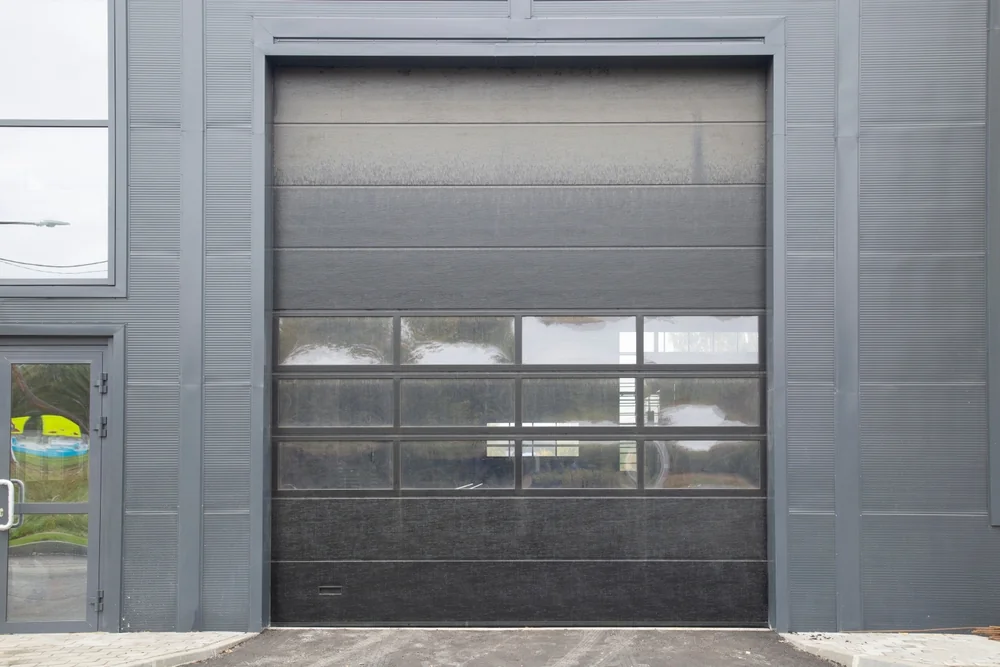
Choosing the right door type and materials is one of the important factors in how a roller garage door performs. The curtain profile, steel gauge and protective coatings all influence strength, corrosion resistance and how well the door handles daily opening and closing. In coastal and high-traffic environments, material quality directly affects how quickly a door shows wear. A well-chosen door should balance durability, smooth operation and long-term reliability.
Fit is just as critical as materials, yet it is often underestimated during replacement. A roller door must be accurately sized to the opening, guides, headroom and side clearances to operate safely and quietly. Poor fit can lead to uneven rolling, excess noise, premature motor strain and reduced security. When the door type, materials and fit are properly matched, the result is a system that performs consistently and lasts longer.
Getting the size and clearances right is the foundation of a roller garage door that operates smoothly and lasts. The door must do more than cover the opening; it needs to roll cleanly, clear vehicles and accessories and work within the physical limits of the garage structure. Ceiling height, wall construction, lighting, storage and motor positioning all influence what can be installed safely and reliably. When these factors are considered early, costly compromises during installation are avoided.
At the planning stage, we assess several critical measurements and constraints together rather than in isolation, including:
By addressing clearance, structure and daily use as a complete system, the finished door operates quietly, avoids unnecessary wear and provides confidence every time it is used.
Steel and aluminium roller doors can perform extremely well, but they suit different priorities and environments. Steel doors are valued for their strength and impact resistance, making them well-suited to busy residential garages and light commercial settings. A quality steel curtain with proper coatings resists everyday knocks and maintains its shape. The added weight, however, means motors and springs must be correctly sized and maintained to ensure smooth operation.
Aluminium roller doors are often preferred where weight reduction or corrosion resistance is critical. In coastal or humid environments, aluminium paired with a high-grade powder coat can extend service life. Lighter weight also reduces strain on motors and hardware, which can be beneficial for wider openings. The trade-off is that thinner aluminium profiles may show dents more easily, so profile design and material thickness become especially important when durability is a priority.
Because a garage door can dominate the front elevation of a property, its style and finish should be considered as part of the overall façade. Clean, modern homes typically suit simple profiles with minimal detailing, while traditional or character properties often benefit from more defined textures and shadow lines. Colour selection works best when coordinated with roofing, cladding and window frames, whether the goal is a subtle blend or a deliberate feature.
Finish choice also affects performance and upkeep, not just appearance. High-quality pre-painted steel and architectural-grade powder-coated aluminium provide better colour retention and surface durability over time. In exposed or high-sun locations, lighter colours can help reduce heat absorption and thermal movement in the curtain. Internally, thoughtful planning ensures the door, motor and tracks suit how the garage is actually used, whether for storage, a workshop or a multi-purpose living space.
A roller garage door is used multiple times a day, which means performance matters just as much as appearance. Smooth operation, consistent movement and controlled noise levels all affect how the door feels in daily use. When performance is overlooked, small issues such as vibration, rattling or uneven travel can quickly become ongoing frustrations. A well-specified door should operate quietly and predictably in all conditions.
Insulation plays a role in comfort and practicality, particularly when the garage connects to living spaces or is used as more than simple storage. Properly insulated doors help moderate temperature swings, reduce external noise and improve overall energy efficiency. These benefits are felt year-round, not just in extreme weather. When performance and insulation are considered together, the result is a roller door that supports everyday use rather than disrupting it.
Insulation is often one of the most valuable performance upgrades when replacing a roller garage door because it directly affects comfort, energy efficiency and how the space can be used. Modern insulated roller doors are typically made from twin-walled aluminium laths with a foam-filled core that slows heat transfer and stabilises internal temperatures. This helps keep garages warmer in winter and noticeably cooler in summer, especially in exposed or sun-facing locations.
Beyond temperature control, insulation provides meaningful acoustic benefits that are often underestimated. An insulated curtain helps absorb and reduce external noise such as traffic, wind and rain, while also limiting sound escaping from inside the garage. This is valuable when the space is used for more than storage, such as a workshop or gym. When assessing insulation performance, we focus on doors with proven specifications rather than vague claims, like:
Day-to-day performance is where the quality of a roller garage door becomes most obvious. A properly specified system should move with consistent speed and control, without vibration, binding or sudden jolts at the start or end of travel. Smooth operation reduces stress on the motor and mechanical components, which in turn improves reliability and service life. Poorly balanced or lightly engineered systems tend to become noisy and erratic.
Noise reduction relies on how well the entire system works together, not just the motor alone. Quiet motors with soft-start and soft-stop functions eliminate abrupt movement and reduce mechanical sound. Well-designed guides with brush or rubber inserts keep the curtain stable and prevent rattling in windy conditions. When these elements are correctly matched and installed, the door feels refined and unobtrusive, even during early mornings or late-night use.
Roller garage doors are designed and rated based on cycle use, with each open-and-close counting as one cycle. In many households, the garage door functions as the primary entry point, resulting in significantly higher daily usage than originally expected. This places greater demand on springs, motors and curtain connections. If the system is not designed for that level of use, wear accelerates quickly.
Higher-cycle applications require stronger components and more generous safety margins. Motors with higher duty ratings, robust spring systems and reinforced curtain profiles cope better with frequent operation and maintain alignment. Understanding how often the door is used now allows the system to be specified appropriately from the outset. Matching door design to real-world usage is one of the most effective ways to extend service life and reduce the risk of premature repairs.
Safety and automation are central to how a roller garage door performs in everyday use. Modern systems rely on more than just a motor; they integrate safety sensors, control logic and fail-safe mechanisms that protect people, vehicles and property. When these elements are poorly specified or installed, even a new door can become a risk rather than an upgrade. A well-designed system should operate predictably and respond immediately to unexpected obstacles or faults.
Installation quality is what determines whether those safety and automation features actually work as intended. Accurate alignment, secure fixing and correct setup of limits and safety devices are essential for long-term reliability. Shortcuts at installation often lead to noisy operation, false triggering or premature component failure. When safety, automation and installation are treated as a single, connected system, the result is a roller door that performs reliably and safely for years, not just on day one.
The motor is the core of any roller garage door system, and the correct specification has a direct impact on safety, reliability and everyday usability. Motor torque must be carefully matched to the door’s size, weight and expected usage, as underpowered units are prone to overheating and early failure. Overpowered motors, if not properly configured, can apply excessive force and create safety risks. A balanced specification ensures controlled movement and long-term performance.
For residential applications, quiet tubular motors with soft-start and soft-stop functions are preferred, as they reduce noise and limit stress on the curtain and fixings. Integrated thermal overload protection allows the motor to shut down safely if operated repeatedly in a short period. Modern systems should also include reliable obstruction detection that stops or reverses the door when resistance is detected. Additional safety features, such as bottom rail safety edges and anti-lift protection, further improve protection for children, pets and property.
Automation has become a standard expectation rather than an optional upgrade for roller garage doors. Secure remote controls with rolling-code encryption form the baseline, while app-based operation and Wi-Fi connectivity provide added convenience and visibility. Real-time door status, alerts and remote control allow users to confirm whether the door is open or closed from anywhere. These features improve convenience without compromising security when correctly implemented.
Smart technology must always be supported by dependable manual access options. Every motorised roller door should include a robust internal manual override for use during power outages or system faults. Where the garage is the primary entry point, an external override is essential to ensure access when mains power is unavailable. Control systems should also be serviceable and compliant with current standards, avoiding closed platforms that limit future repairs or upgrades.
Even the best motor and automation system depends on correct installation to perform safely and reliably. Accurate alignment, correct tensioning and secure fixings ensure the curtain runs smoothly and avoids unnecessary strain. Structural checks at the opening are critical, as forcing a system to fit unsuitable conditions often leads to noise, erratic operation and early failure. Professional installation ensures the door operates as designed from day one.
Installation quality is also closely tied to warranty protection and long-term support. Many manufacturers require approved installation and documented commissioning for full warranty coverage. Proper installation typically includes:
This protects both the system and the owner, ensuring support, repairs and warranty claims can be handled smoothly in the future.
In summary, replacing a roller garage door is a chance to upgrade security, safety, comfort and everyday usability, not just replace what’s worn out. By focusing on build quality, motor and control reliability, insulation, safety features, correct fit and professional installation, the new door can deliver long-term performance. It also pays to consider servicing, running costs and supplier reputation alongside the upfront price. For tailored advice and a replacement that’s built to last, we here at Advanced Garage Door Systems can guide the process from specification through to installation and ongoing support.

