When investing in roller garage doors in Sydney, most property owners are looking for three things: security, convenience and dependable long-term performance. A common question at the start of the process is how long a roller garage door is actually likely to last. While many people hope for a simple number, lifespan is shaped by more than age alone. Product quality, installation standards, frequency of use, environmental exposure and ongoing maintenance all influence how well the system performs over time.
Understanding these factors helps set realistic expectations from the outset. It also makes it easier to compare products properly, plan for servicing and recognise when a door is beginning to show signs of age. A well-chosen and well-maintained roller garage door can provide many years of reliable operation, but its longevity depends on how the full system is specified, installed and looked after.
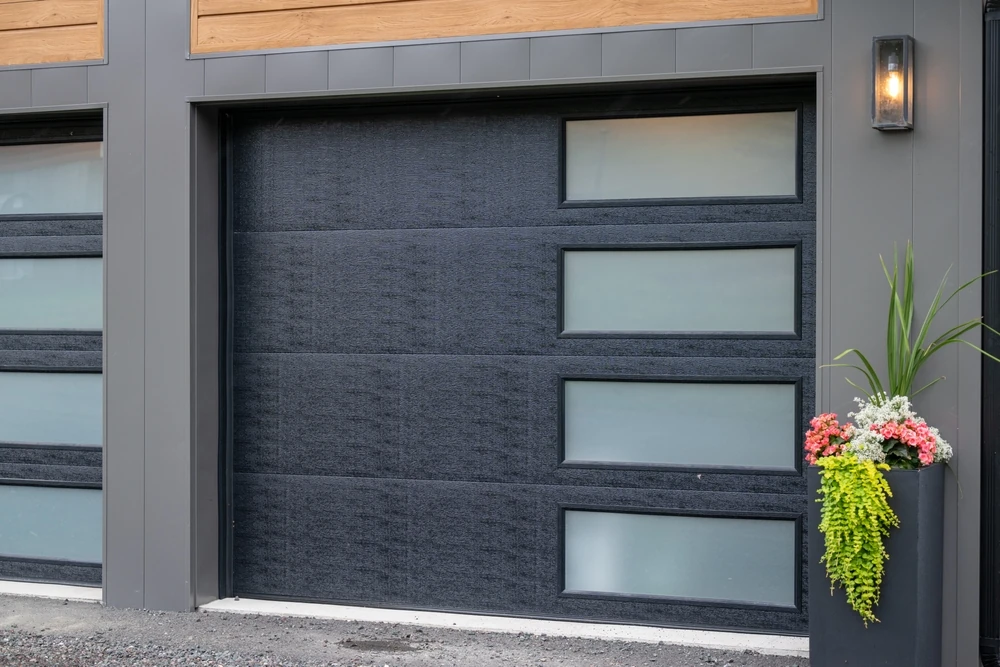
A quality roller garage door will often last around 15 to 20 years in a residential setting when it is correctly installed, suited to the opening and maintained on a regular basis. In some cases, a door exposed to lighter use and protected from harsh weather can remain serviceable for more than 20 years. On the other hand, heavy daily use, poor installation or neglected maintenance can shorten that lifespan considerably, sometimes reducing it to around 10 to 12 years.
It is also important to understand that the door curtain is not always the first part to wear out. In many systems, the overall lifespan is determined by the motor, spring tension, controls, safety components and mounting hardware rather than the slats alone. For that reason, the lifespan of a roller garage door is best viewed as the lifespan of a working mechanical system, not just the visible door panel.
Several factors influence how long a roller garage door will last in real-world conditions. Some relate to the quality of the product itself, while others depend on the way it is used and the environment it operates in. Looking at these factors together gives a far more accurate picture of likely longevity than relying on a general year range alone.
The quality of the curtain, guides, barrel, motor and fixings has a direct impact on durability. Stronger slats, more robust coatings and better corrosion resistance generally lead to a longer service life, especially in outdoor conditions where the door is exposed to sun, wind and moisture. Lightweight or lower-grade materials may reduce upfront cost, but they are often more vulnerable to denting, distortion, fading and early wear.
Internal components matter just as much. A properly rated motor, reliable bearings, durable guides and a well-designed balancing system will usually perform more consistently over the years. If lower-grade end locks, fixings or control components begin to fail, extra strain is often transferred elsewhere in the system, which can accelerate broader wear.
Roller garage doors are not simply measured in years. They are also measured in cycles, with one cycle meaning one full opening and closing movement. A door used a few times a day in an average household will wear much more slowly than one used constantly throughout the day by multiple vehicles or on a light commercial site.
Usage habits also matter. Repeated operation in quick succession can place extra heat and strain on the motor and control system. Rough use, forcing the door when something is obstructing it or continuing to operate it when it is already making unusual noises can all shorten the life of the system. A roller door that is correctly matched to the expected level of daily use will generally last much longer than one that is under-specified from the start.
Environmental conditions can make a noticeable difference to lifespan. In coastal parts of Sydney and other exposed areas, salt-laden air can accelerate corrosion on metal components if finishes and fixings are not suited to those conditions. Wind-driven rain, humidity and airborne contaminants can also affect guides, fasteners and exposed hardware over time.
Sun exposure is another factor. Prolonged heat and UV exposure may contribute to fading of the finish and gradual deterioration of plastics, seals and external components. Strong winds can also cause vibration and movement within the guides, which increases wear if the system is not well secured or correctly specified for the location. Doors installed in harsher environments generally need better materials and more attentive maintenance if they are expected to last well.
Even a good product can have a shortened lifespan if it is poorly installed. A roller garage door needs to run square, balanced and properly aligned within the opening. If the guides are out of position, the barrel is not correctly supported or the motor limits are not set properly, the system may still operate, but it will often do so under unnecessary strain.
Routine maintenance also plays a major role in longevity. Small issues such as worn seals, loose fixings, dirt in the guides or slight imbalances do not always cause immediate failure, but they can gradually place more pressure on the motor and moving parts. Regular servicing helps identify these issues early and can add years to the working life of the door.
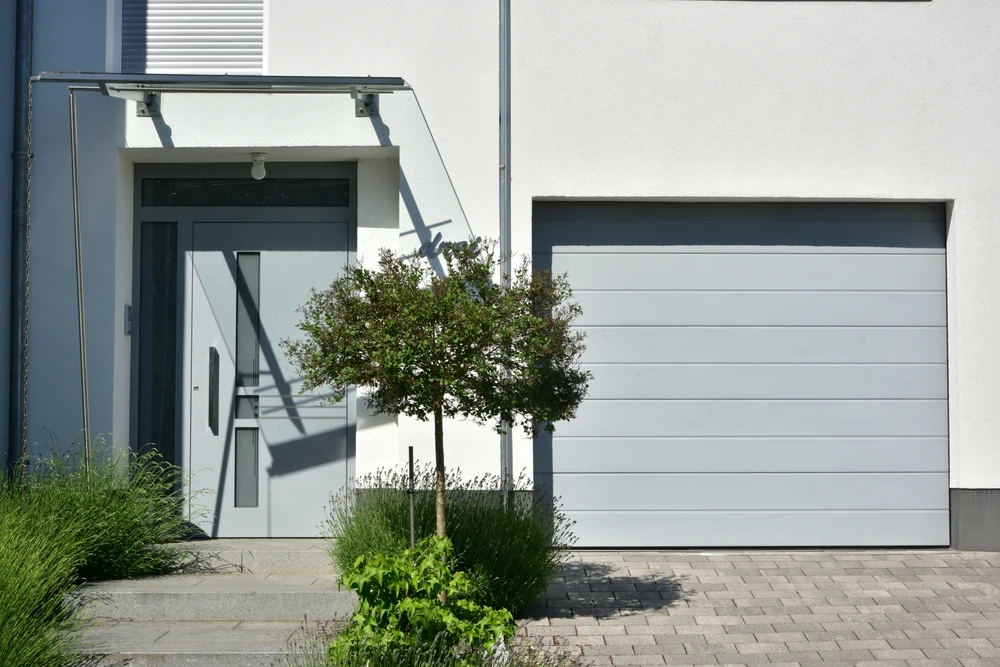
Although a roller garage door is usually thought of as a single product, its main components often age at different rates. In practice, the overall lifespan of the system is often determined by the first major part that becomes unreliable or uneconomical to repair.
Curtain and slats: A well-made curtain can often remain functional for 20 years or more if it is not damaged by impact and is protected from excessive corrosion. Cosmetic wear such as fading, scratches or minor marking may appear earlier, especially on exposed elevations.
Motor and drive unit: A quality motor may be rated for roughly 10,000 to 20,000 cycles, although actual performance depends heavily on how the door is used and whether the door remains properly balanced. In many homes, that can translate to somewhere around 7 to 15 years before performance starts to decline.
Springs and balancing system: Springs are subject to metal fatigue over time. With correct tension and suitable specification, they may last 10 to 15 years, but wear in this part of the system often increases strain on the motor and can affect how smoothly the door travels.
Controls and safety systems: Remotes, wall controls, safety sensors and control boards can last many years, but they are often more vulnerable to moisture, power surges, pests and general age-related electrical faults. These components may outlast some mechanical parts, though not always.
Even a well-maintained roller garage door will eventually show signs of age. Some issues are relatively minor and can be repaired cost-effectively, while others suggest that the system is nearing the end of its practical service life. Paying attention to changes in operation can help avoid a sudden breakdown or loss of security.
A roller garage door should move in a reasonably smooth and consistent way. Some increase in noise over time is normal, but grinding, rattling, screeching or shuddering usually points to wear that should not be ignored. If noise quickly returns after lubrication or if the curtain begins to move unevenly, it may indicate worn bearings, misaligned guides, motor strain or a weakening spring system.
Hesitation during operation is another warning sign. If the door stalls, starts unevenly or struggles to complete a full cycle, the problem may be more than simple wear and tear. A burning smell from the motor housing or repeated stopping mid-travel should be treated as a sign that professional attention is needed promptly.
An occasional repair is normal over a long lifespan, particularly as consumable parts age. However, once faults begin recurring or new issues appear regularly, it often signals that wear is becoming system-wide rather than isolated. Problems such as repeated limit-setting faults, recurring remote or control failures, frequent blown fuses or unexplained circuit issues can indicate an ageing system that is becoming less reliable.
As a general guide, if repair costs begin approaching a substantial portion of the cost of a comparable new door, replacement may be the more sensible long-term decision, especially if the existing door is already well over a decade old and showing multiple signs of wear.
Physical condition also tells an important story. Dented or separating slats, corrosion along the bottom rail, damaged guides, cracked seals or visible gaps around the curtain can all affect security, weather resistance and safe operation. Some of these issues can be corrected in isolation, but widespread wear usually suggests that the system is reaching the point where repair offers only a short-term solution.
A door that no longer sits evenly when closed or leaves a gap on one side may point to distortion, alignment issues or imbalance in the supporting mechanism. When these problems appear alongside age, corrosion or repeated motor issues, replacement often becomes the more reliable option.
A roller garage door usually lasts longer when it is treated as a working mechanical system rather than a feature that can be ignored until something goes wrong. Consistent use, basic care and regular servicing can make a noticeable difference to long-term performance.
Everyday use has more impact than many owners realise. The door should be allowed to complete a full opening or closing cycle smoothly, rather than being stopped repeatedly midway without reason. Forcing the door, pulling on the curtain or continuing to operate it when it is already showing signs of resistance can place unnecessary strain on the motor and internal components.
For manual doors, the locking system should always be fully disengaged before lifting. For automatic doors, any change in speed, sound or responsiveness should be taken as a sign to inspect the system rather than push it harder.
A build-up of dirt and grit inside the guides can increase friction and wear over time. Keeping the tracks clear helps the curtain move more smoothly and reduces unnecessary abrasion. Washing the curtain occasionally with mild detergent and water also helps preserve the finish, particularly in areas where dust, salt or grime build up on the surface.
Lubrication should be light and appropriate to the specific parts involved. Overuse of grease or the wrong product can attract dirt and make wear worse rather than better. Where lubrication is required, it should be applied carefully and in line with manufacturer recommendations.
Professional servicing is one of the simplest ways to extend the working life of a roller garage door. A periodic inspection allows small issues to be corrected before they lead to motor failure, structural wear or safety risks. During a service, a technician may check alignment, tension, fixings, travel limits, safety features and the general condition of moving parts.
This kind of preventative attention is often what separates a door that gives reliable service for many years from one that begins to fail early through avoidable wear.
The lifespan of a roller garage door is shaped by far more than age alone. Product quality, operating cycles, environmental exposure, installation accuracy and regular maintenance all influence how long the system remains safe, reliable and cost-effective to keep in service. While many residential roller garage doors will last 15 to 20 years, real-world performance depends on how well the full system is chosen, installed and maintained.
For property owners, the most useful approach is to think in terms of long-term performance rather than just upfront purchase price. A well-specified roller garage door that is properly installed and serviced over time will usually provide better reliability, smoother operation and greater value throughout its life.

