Garage doors in Sydney do not all age at the same pace. Homeowners in the salty coastal belts and the hot, dry western suburbs often find that their doors start to look tired and fail sooner than expected. At Advanced Garage Door Systems our technicians see the same patterns every week. Corrosion on metal panels and hardware, premature cracking and fading of paint and seals, fatigued springs and rollers and electronic components that fail well before their time. This article explores why location matters so much in Sydney and how the local climate in these areas quietly shortens the life of a garage door.
Readers will learn how coastal salt air accelerates rust on steel doors, tracks and fittings and how strong onshore winds and moisture attack moving parts and finishes. They will also see how the extreme heat, UV exposure and dust common in western suburbs increase wear on motor sensors and weather seals and make doors noisier and less reliable.
By understanding these suburb-specific stresses, homeowners can make better choices about materials, finishes and maintenance schedules so their garage doors last longer, operate more safely and protect the largest moving asset in their home more effectively.
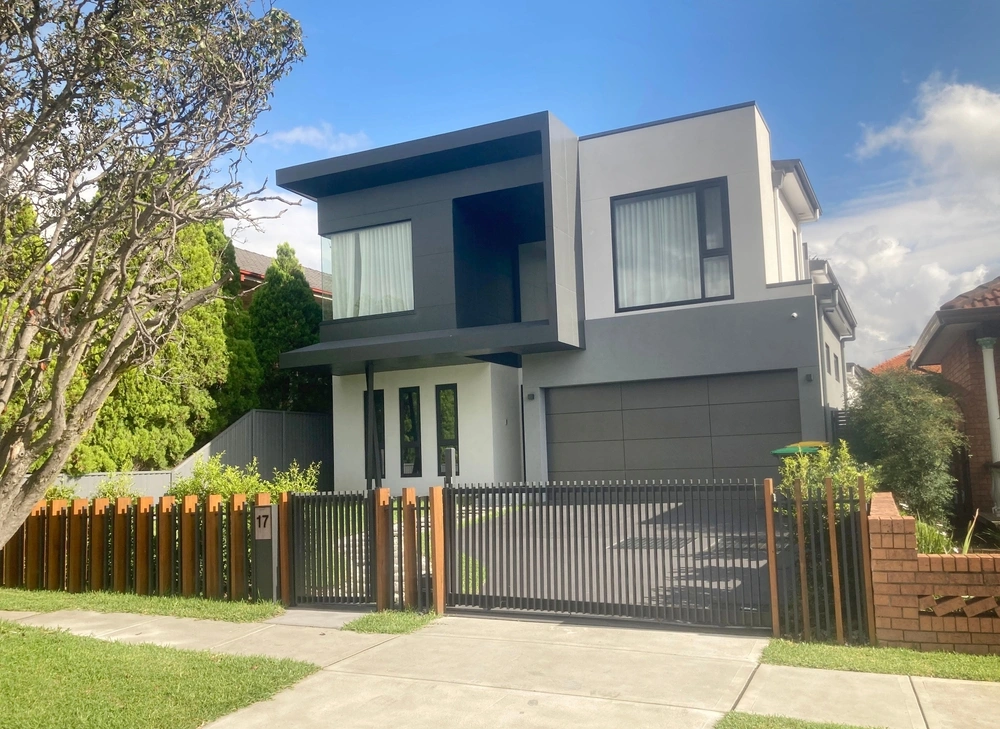
Sydney’s climate places more strain on garage doors than many homeowners realise. From salt carried in coastal air to extreme heat and temperature swings in the west, different parts of the city expose springs, panels and hardware to very different forms of accelerated wear.
These environmental differences help explain why two identical doors can age at completely different rates. A door installed near the ocean may struggle with corrosion and moisture-related issues, while the same model in a hot inland suburb may face heat expansion, UV degradation and dust-related mechanical wear.
Understanding how local conditions influence performance makes it easier to choose appropriate materials, finishes and maintenance routines that match the suburb rather than relying on a one-size-fits-all approach.
In suburbs close to the ocean, such as Cronulla, Manly and Brighton-Le-Sands, airborne salt is the main culprit. Salt crystals settle on steel tracks, hinges and springs, then attract moisture. This speeds up corrosion, which can lead to:
High coastal humidity keeps metal damp for longer, which means rust gets a chance to develop overnight and in shaded areas of the garage. Sea breezes also drive fine sand and debris into rollers and hinges. Grit in moving parts increases friction and can wear flat spots into rollers or stretch cables prematurely.
Stronger coastal winds place extra strain on wide panel lift doors. In gusty conditions doors can flex or rattle, which loosens fixings over time and may misalign tracks if they were not installed to suit higher wind zones.
In western suburbs such as Penrith, Blacktown and Liverpool, the main issues are heat build-up, UV exposure and dust. Summer temperatures in front-facing garages can be significantly higher than the outdoor air temperature. This affects garage doors in several ways:
Intense UV light also fades and chalks paint finishes, particularly on north- or west-facing garages. Powder-coated and Colorbond-style finishes generally cope better, but low-grade finishes can lose gloss quickly, which exposes the metal to corrosion if chips develop.
Western Sydney dust and fine leaf litter are drawn into garages on hot windy days. This can clog track systems and settle in the hinges of sectional doors, increasing friction and putting extra load on openers.
Sydney’s weather shifts between heavy rain events and dry spells. In coastal and leafy suburbs, repeated moisture cycles allow steel components to develop light surface oxidation before drying out again. Over time, this pattern can aggravate small chips in paintwork and trigger rust in bottom rails, around fasteners and along panel edges.
In low-lying or shaded areas, morning condensation on garage doors is common. When bottom seals sit in pooled water, aluminium or steel base rails can corrode and seals may develop mould, which stiffens their movement against the floor.
Homes in higher-risk microclimates such as coastal strips, exposed hilltops and flood-prone streets often benefit from more frequent inspections and cleaning. Staying ahead of moisture build-up helps prevent minor surface wear from developing into larger structural or mechanical repairs.
Sydney’s coastal fringe and hotter western suburbs put very different but equally harsh stresses on garage doors. Homeowners often notice doors becoming noisy, stiff or patchy well before the end of their expected lifespan and the local environment is usually the reason.
By understanding exactly how salt air, humidity, dust and extreme temperatures attack different parts of a garage door system, homeowners can make better choices about materials, finishes and maintenance. This can significantly slow wear and avoid expensive repairs or premature door replacement.
Along Sydney’s coast airborne salt and constant moisture are the main culprits. Salt particles settle on exposed metal parts such as tracks, hinges, springs, cables and fasteners. When combined with coastal humidity, this creates a perfect environment for corrosion. Even galvanised components can start to pit and rust much earlier than they would in inland suburbs.
Steel door panels can blister or bubble under the paint as rust starts beneath the surface. Aluminium doors do not rust but can suffer from pitting corrosion, where the surface becomes rough and stained. This is common in beachfront or headland streets where onshore winds drive salt spray directly onto façades.
Moist sea air also attacks weather seals. Bottom and side seals can harden, crack or lose their flexibility, which allows more moisture into the garage. Once seals deteriorate, wind-driven rain can track into tracks and hardware and accelerate rusting and binding.
Persistent coastal breezes further stress the door and motor. In strong wind a sectional or tilt door can flex as it opens and closes, which puts extra load on hinges, rollers and the opener. Over time this can cause metal fatigue, noisy operation and premature motor failure if the opener constantly works against wind pressure.
In Sydney’s western suburbs, extreme summer temperatures and strong sun are the main causes of wear. Prolonged heat on a closed door can cause steel panels to expand and contract each day. Over years this movement can lead to minor distortion, paint micro-cracking and loosening of fasteners.
High UV levels fade colour coatings and can break down cheaper paint or powder coat finishes. This is especially noticeable on darker coloured doors that absorb more heat. Faded or chalky paint does not protect the underlying metal as well, which allows corrosion to start sooner once the surface is scratched or chipped.
Western suburbs also experience more dust and fine debris. Dust accumulates in tracks, on rollers and within torsion spring housings. When a door operates with gritty tracks, it increases friction, which makes the motor work harder and wears rollers and hinges more quickly. If not cleaned, dust can mix with small amounts of moisture and form a paste that binds moving parts.
Although the environmental triggers differ, both coastal and western suburb conditions accelerate mechanical wear on springs, rollers and openers. Corroded springs in coastal areas are more likely to snap under normal cycling loads. Heat-affected or dirty springs in the west can lose tension faster, which makes the opener strain every time the door moves.
Rollers and hinges that rust from salt or grind due to dust and lack of lubrication will create uneven movement. This can throw the door out of alignment and cause it to rub against tracks or jambs. Once the door is out of balance, automatic openers are under near-constant overload, which shortens their service life.
In some parts of Sydney, garage doors seem to wear out far sooner than expected. Paint begins to peel, rust appears along panel edges, operation becomes noisy and the door may start to feel heavier as the opener strains. These issues are rarely accidental. They are usually linked to location, material selection and the quality of installation and upkeep.
Doors in coastal suburbs such as Cronulla, Coogee and Manly are exposed to salt-laden air and persistent moisture, which accelerates corrosion and hardware failure. In western suburbs like Penrith, Blacktown and Parramatta, prolonged heat, strong UV and dust create a different set of stresses that dry out seals, fade finishes and fatigue mechanical components.
When these environmental factors are combined with lower-grade materials or inconsistent maintenance, wear accelerates quickly. Recognising how local conditions affect performance allows homeowners to make better long-term decisions and avoid avoidable breakdowns.
In Sydney’s coastal suburbs salty air is the main enemy. Fine salt carried on sea breezes settles on the garage door surface and hardware. If it is not washed off regularly, it begins to attack protective coatings and bare metal. Steel doors that are not properly galvanised or powder coated can start to spot rust within a few years. Exposed hinges, torsion springs and cables also corrode faster, which can lead to snapped springs or doors dropping unevenly.
Coastal weather often means higher humidity and more frequent wind-driven rain. Moisture works its way into small chips and scratches in the paint and into gaps around panels and fixings. Timber doors can absorb this moisture and start to swell or warp, which quickly affects smooth operation and can overload the opener.
In Sydney’s western suburbs the problem is usually heat and UV rather than salt. On a 40°C day a dark-coloured steel door in full afternoon sun can become too hot to touch. Prolonged exposure to this heat and UV can cause:
When the door and tracks heat up, they can also expand slightly, which makes marginal installations bind or scrape more easily.
Two garage doors can look similar from the street but behave very differently over time. Lower-grade steel with thin galvanising is more vulnerable to rust, especially near the coast. Inferior powder coating or paint systems break down quicker under UV, which speeds up corrosion underneath. Timber doors that are not sealed on all sides, including edges and back, will draw in moisture and deteriorate faster in both coastal and humid areas.
Hardware often fails before the door panels. Light-duty springs not matched to the door weight, low-quality rollers with unsealed bearings or zinc-plated fasteners instead of stainless in coastal zones all shorten the service life. Once springs lose tension, the opener has to work much harder, which can burn out motors or strip gears.
Even a premium garage door can fail early if installation is poor. Misaligned tracks, incorrect spring balancing or inadequate bracing mean the door strains against its own hardware every time it operates. In high-wind coastal locations, poorly braced doors can flex excessively, which gradually fatigues panels, hinges and fixings.
Lack of basic maintenance often accelerates the problem. In coastal suburbs, doors that are never rinsed to remove salt deposits will corrode far faster. In western suburbs, tracks and hinges that are not lubricated can dry out in heat and dust, leading to noisy, rough operation and extra load on the opener.
Simple steps such as gentle washing, correct lubrication and periodic checks of springs and cables can significantly slow these common failure patterns across Sydney.
In the end, the pattern is clear: garage doors in Sydney’s coastal and western suburbs are working much harder than most of us realise, and their environment is unforgiving. Along the coast, salt-laden air, high humidity and strong onshore winds accelerate corrosion, attack springs and hinges and quickly break down cheap hardware and poorly coated doors. In the western suburbs, intense heat, dust, UV exposure and dramatic temperature swings dry out seals, warp panels, fatigue motors and stress every moving component.
When you combine these local conditions with everyday wear from frequent use, skipped servicing and low‑quality installations, it’s no surprise that many doors in these areas fail well before their time. That’s why the right choice of materials and coatings, correct installation, appropriate automation and a disciplined maintenance schedule are not “extras” in these suburbs. They are essential investments in safety, security and long‑term value. By understanding how your specific location affects your garage door and acting early with professional advice, you can significantly slow the wear, reduce breakdowns and make sure your door continues to operate smoothly, safely and reliably for many years to come.

