A garage door that suddenly slips off its tracks can be alarming, especially when it leaves the door uneven, stuck or unsafe to operate. For homeowners dealing with roller garage doors in Sydney, or sectional garage doors that have slipped out of alignment, understanding how to respond safely can help prevent further damage and reduce the risk of injury. While the cause may be anything from worn hardware to accidental impact, an off-track door should never be ignored or forced back into position.
This guide explains the common reasons garage doors come off their tracks, the warning signs to look for and the immediate steps that should be taken to keep the area safe. It also outlines when professional intervention is necessary and how ongoing maintenance from Advanced Garage Door Systems can help prevent similar issues from occurring in the future.
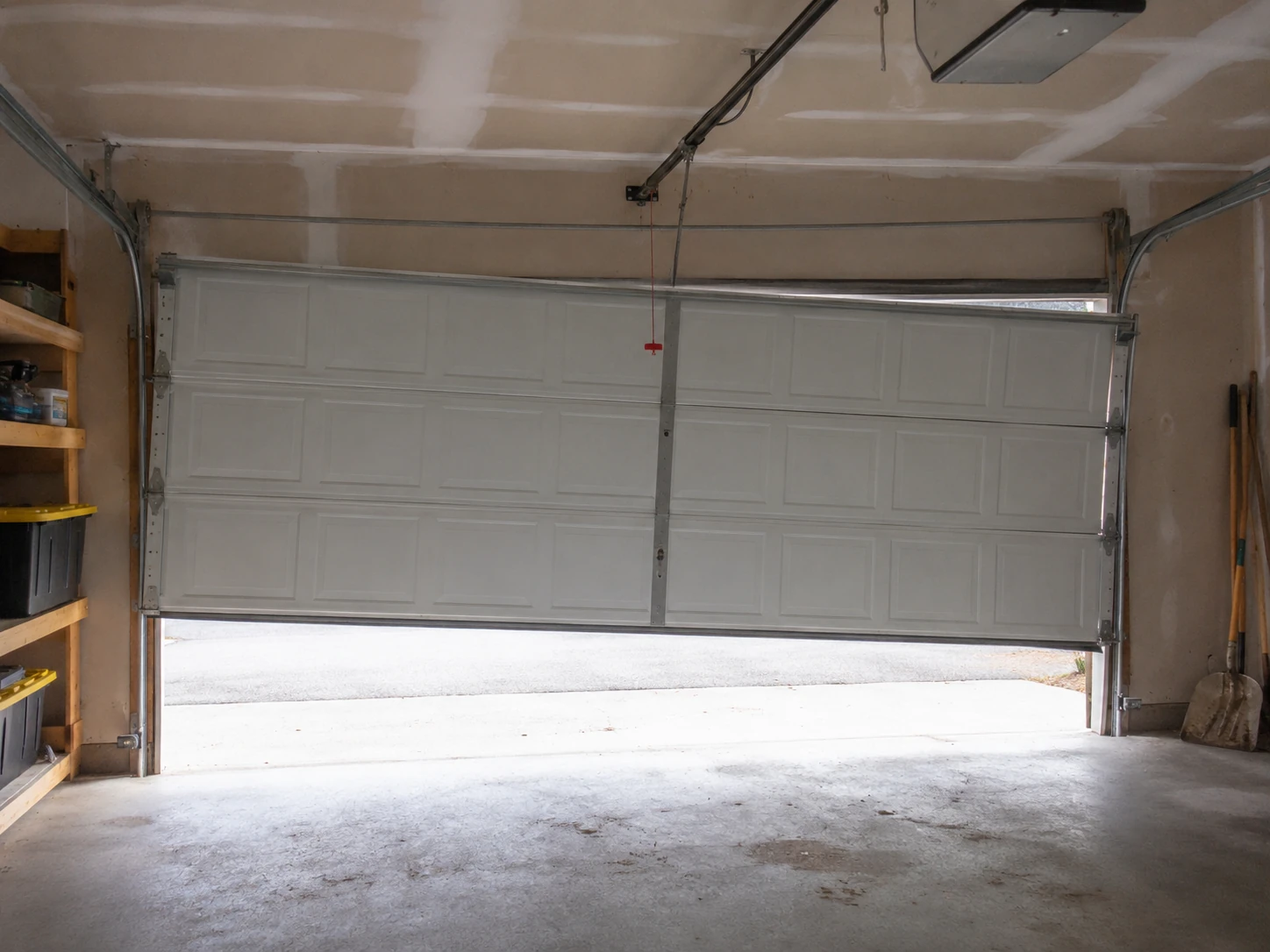
The priority when a garage door comes off its tracks is to stop all movement and visually assess the situation from a safe distance. Attempting to force the door open or closed can turn a repairable problem into a major structural issue and create a serious safety hazard.
This check should be done with the opener disabled and without touching, lifting or adjusting the door. The goal is not to fix the problem at this stage, but to identify obvious signs of damage or misalignment so that accurate information can be passed on to a technician.
Begin by standing far enough back to see the entire door inside the opening. Look for any section that is higher or lower than the others, or that appears twisted, bowed or uneven. A door that is hanging crookedly or leaning to one side may indicate that rollers have left the track or that cables are uneven or off the drums.
Check whether the door appears supported on both sides. If one side is hanging lower, or a gap is visible between the roller and the track, that side may be dangerously unsupported. Also look along the bottom edge of the door to see whether it sits level with the floor. Any tilt suggests a cable, roller or track issue that should not be forced.
Next, look along the metal tracks that guide the rollers. Without touching them, check the vertical and horizontal tracks on both sides for bends, warping or gaps where the track has pulled away from the wall or ceiling.
Loose or missing bolts and brackets may indicate that the track is no longer securely anchored, increasing the risk of the door jumping the track again if moved. Rollers that are cracked, broken, hanging at an angle or sitting outside the track are also clear signs that the door should be left in place until a technician can realign it.
Metal shavings near the track or rollers can indicate that hardware has been grinding and may be badly worn. Even if the door still appears partly supported, visible damage around the tracks or rollers should be treated seriously.
Carefully scan the lift cables on each side of the door. A cable that is slack, frayed or completely unwound from the drum is a serious issue and should never be tightened or rewound by hand.
Torsion springs above the door or extension springs along the sides should be intact, not stretched apart, cracked or separated. A broken spring can often be identified by a visible gap in the coil or by a loud bang heard when it failed.
Also check the door panels for dents, cracks or sections that appear to be buckling under their own weight. A panel that is bowed or separated at the hinges can catch in the tracks if the door is moved. Make a note of any unusual noises heard when the door came off track, as this information can help with diagnosis.
A garage door usually comes off its tracks because of a mechanical fault, impact damage or misalignment rather than simple bad luck. Understanding the most common causes makes it easier to spot issues early and avoid sudden failure.
In many cases, the tracks themselves are not the original problem. Components such as rollers, cables, springs or hinges may fail or go out of adjustment, forcing the door to twist, bind or pull out of the track.
Vehicle impact is one of the most common reasons a garage door comes off its tracks. Even a low-speed bump against the bottom section can bend panels or track brackets enough to misalign the system. A door that appears only slightly dented may still drag on the track and eventually pull the rollers out.
Obstructions in the opening can create a similar effect. Items such as tools, bikes, storage bins or yard equipment left in the door’s path may jam between a panel and the track. If the opener continues trying to move the door against that resistance, the extra force can twist panels or brackets and cause rollers to ride up and out of the track channel.
Heavy debris along the bottom seal can also stop the door from closing fully. Repeated attempts to close against that resistance may rack the door out of square and place extra stress on the tracks and hardware.
Rollers are designed to glide smoothly inside the metal tracks. When rollers are worn, chipped, seized or fitted with bent stems, they can catch on the track edges and climb out of the groove.
Bent, rusted or misaligned tracks create tight spots where rollers bind and release unevenly. Loose or damaged hinges between door sections can also allow panels to flex more than they should, causing the rollers to sit at the wrong angle inside the track.
Track fasteners that have loosened from the wall or ceiling are another common issue. If the track shifts outward or twists under load, the rollers lose their guided path and the door can jump free.
Lift cables that fray, stretch or slip off the drum can cause one side of the door to lift faster or slower than the other. This uneven movement tilts the door inside the opening and may pull rollers out of the track near the top section.
Torsion or extension springs that are broken, undersized or poorly adjusted can also contribute. Springs are designed to balance the weight of the door. When they are not working properly, the opener and hardware are placed under extra strain.
Improper opener settings may make the problem worse. Excessive force settings or travel limits that are set too far can drive the door into the floor or opener stop bracket after it should have stopped. This overtravel stresses the tracks, brackets and rollers and can eventually force the door off track.
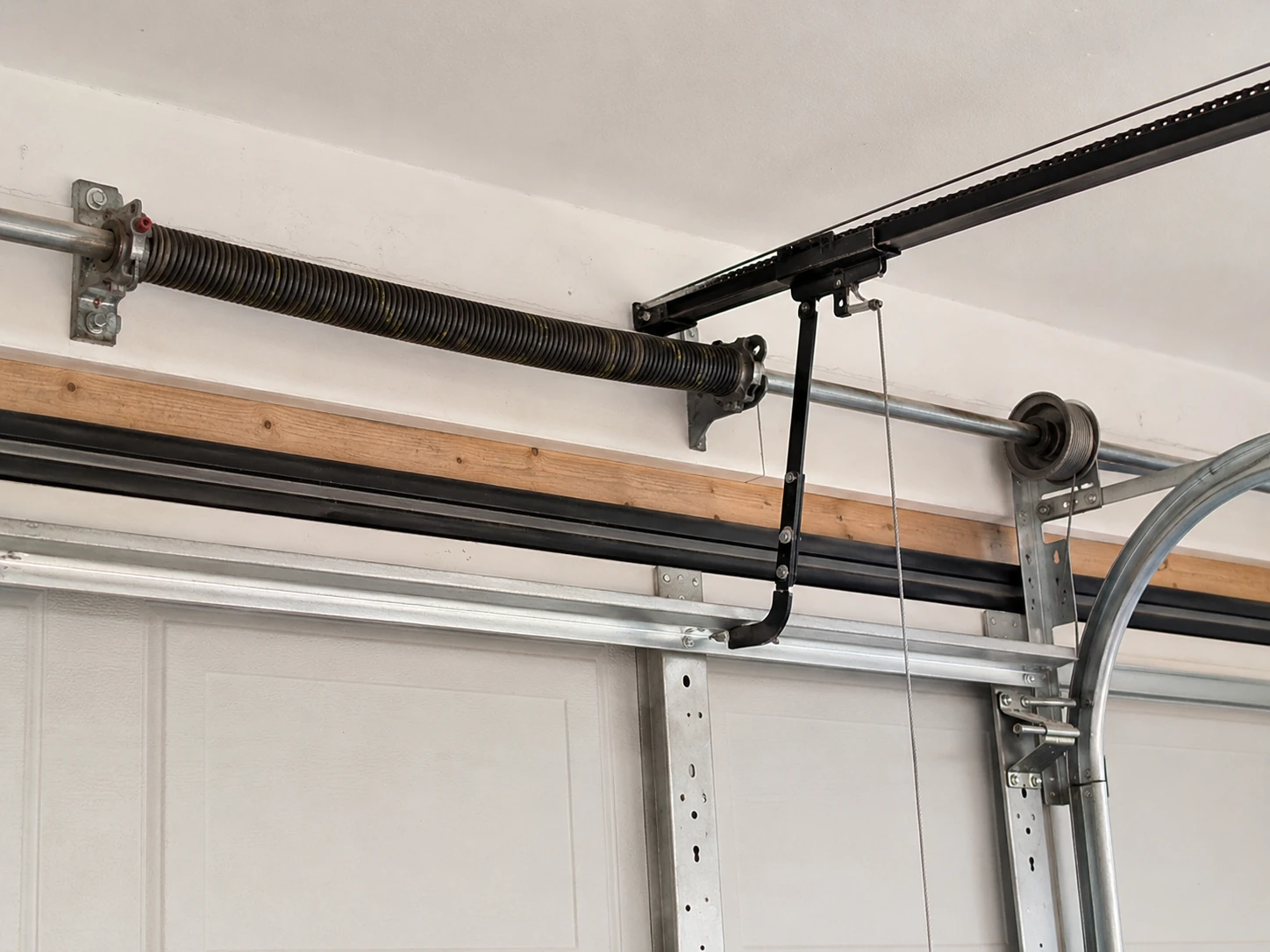
An off-track garage door is more than an inconvenience. It is a serious safety hazard that can cause injury, property damage or further deterioration if handled incorrectly. Professional repair ensures the door is secured, realigned and tested using the correct tools and procedures.
Although it may be tempting to force the door back onto the tracks, doing so can damage the tracks, rollers, panels and opener. A trained technician can assess the full system, identify the underlying cause and restore safe operation.
Garage doors are heavy and operate under tension from springs and cables. When a door leaves its tracks, that tension can become unpredictable. Attempting to move or realign an off-track door without proper training can result in:
Professionals know how to secure the door before work begins. They can control the weight of the door, safely assess spring and cable tension, and prevent unplanned movement during repairs. This level of control is difficult to achieve with basic tools and no specialised experience.
A garage door rarely comes off its tracks without an underlying cause. Common issues include bent tracks, worn rollers, loose brackets, damaged cables, poor spring balance or an opener applying uneven force.
Simply lifting the door back onto the tracks without correcting the cause may only provide a temporary fix. If the original fault remains, the door may come off track again and cause more damage the next time it is used.
A technician can identify what caused the door to derail, replace worn parts and adjust the system so the rollers, tracks, cables and opener work together properly.
An off-track door that is forced open or closed, especially with an automatic opener, can quickly damage the motor, trolley or rail system. The opener is designed to move a balanced door along correctly aligned tracks. When the door binds or leans, the opener strains against the obstruction and may burn out components or strip gears.
Professional service realigns the tracks, squares the door within the opening and checks the spring balance before reconnecting or adjusting the opener. This protects the opener and helps extend the life of the entire door system.
Once a garage door has come off its tracks, prevention becomes important. Ongoing safety depends on keeping the door properly balanced, aligned and free from damage or obstruction. A few consistent habits, combined with professional maintenance, can greatly reduce the chance of another derailment.
Prevention focuses on the main causes of track problems: worn hardware, impact damage, incorrect tension and day-to-day misuse.
Tracks that are bent, dirty or out of alignment are a common cause of derailment. Inspect the vertical and horizontal tracks from the floor to the curve every few months.
Look for gaps between the track and wall brackets, shiny wear marks, loose fasteners or sections that appear twisted. A track that is not straight forces rollers to bind and climb the rails.
Minor dust can be wiped away with a dry or slightly damp cloth. Avoid greasing the tracks, as lubricant can collect grit and debris that wear down rollers. If any part of the track is visibly bent, pulled away from its brackets or no longer straight, professional realignment or replacement is required.
Vehicle contact is one of the fastest ways to knock a garage door out of alignment. Always wait for the door to fully open before driving in or out, as moving too soon can catch the bottom section.
Keep bicycles, storage bins, tools and garden equipment clear of the door path so nothing protrudes into the track area. Children should also be discouraged from hanging on the door, racing under it while it is moving or playing with the opener controls.
Avoid forcing the door if it hesitates or stops. Pulling on a stuck door or repeatedly cycling the opener to overcome resistance can bend sections, strain rollers and twist tracks. New scraping sounds, jerky movement or uneven gaps between sections should be treated as warning signs.
Loose or worn hardware and incorrect spring tension place extra strain on the tracks. Regular professional maintenance is one of the most effective ways to prevent off-track problems.
Hinges, brackets, roller stems and fasteners should be inspected and tightened periodically. Rollers that wobble, have cracked wheels or show flat spots may need replacement. Quality rollers with ball bearings typically run more smoothly and place less side load on the tracks.
Spring tension and cable condition are especially important. Springs that are too tight or too weak cause the opener to fight the door weight, pulling the system out of alignment. Because springs store significant energy, adjustments and replacements should always be carried out by a qualified technician. An annual service can help identify problems early and keep the door operating safely.
An off-track garage door should always be treated as a safety issue, not a minor inconvenience. Checking for visible damage from a safe distance, avoiding unnecessary movement and arranging professional repair can help prevent further damage to the door, opener and surrounding property.
With regular maintenance, clean tracks, sound rollers and correctly balanced springs, the risk of the door coming off its tracks again can be greatly reduced.

