A damaged sectional garage door does not always need to be replaced in full. Replacing a single cracked or dented panel can restore the door’s appearance and operation without the cost of a completely new system. For homeowners considering garage doors in Sydney, the condition of the existing door, availability of a compatible panel and condition of the current hardware all need to be considered.
Single-panel replacement can be practical when the damage is isolated and the remaining sections, tracks, springs and opener are in good condition. However, an older door, structural damage, discontinued parts or differences in panel design and weight can make a replacement less suitable.
Advanced Garage Door Systems can assess the condition of a sectional garage door, determine whether an individual panel can be replaced and identify any issues that may affect safe operation. The assessment can also help compare the cost and value of panel replacement with installing a new garage door.
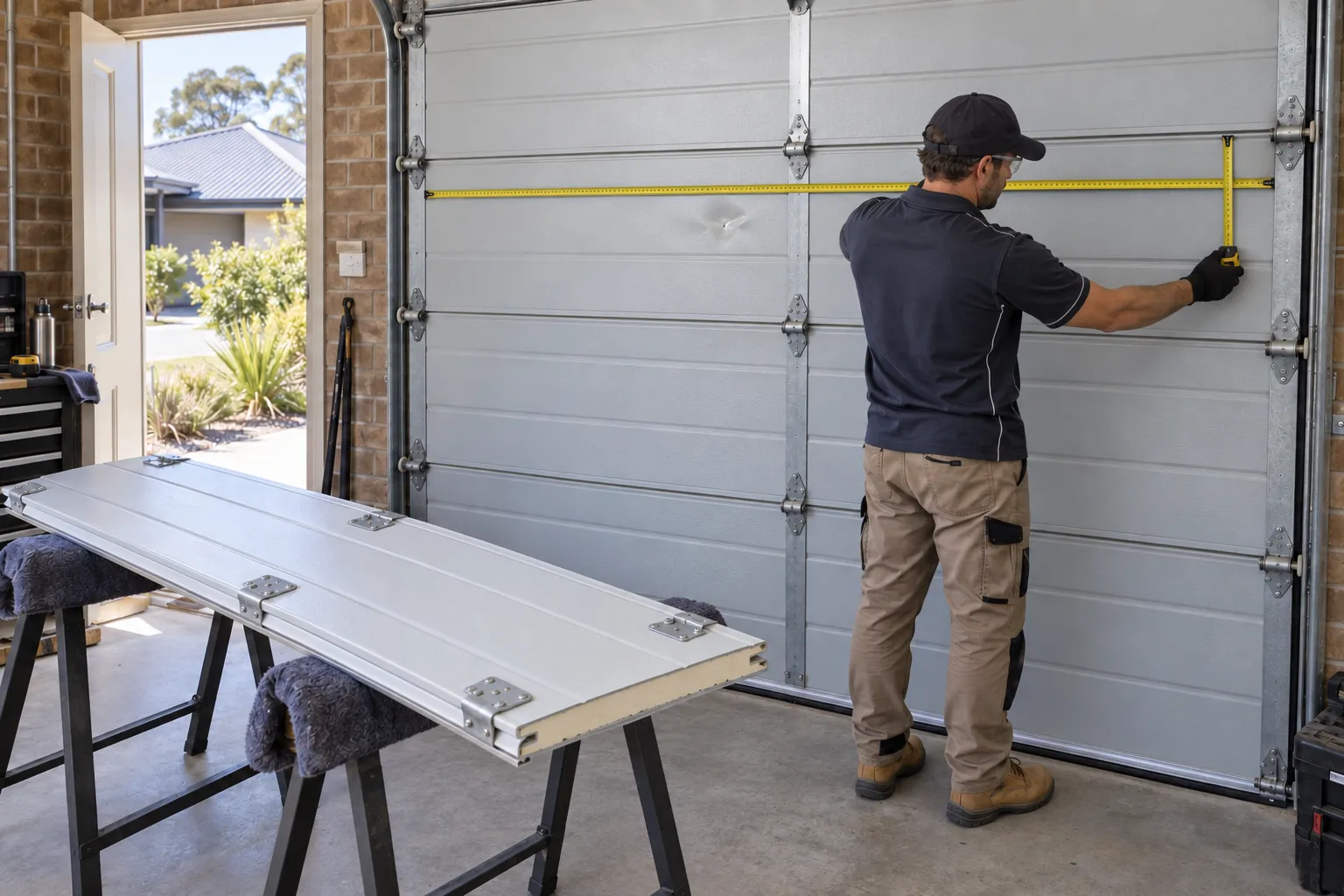
Not every damaged garage door panel is suitable for individual replacement. The new section needs to be compatible with the existing door, while the rest of the system needs to be in good enough condition to support the repair.
Understanding how sectional garage doors work helps explain why the replacement panel must be compatible with the existing hinges, rollers, tracks and lifting system.
Important factors include:
The existing tracks, hinges, rollers, springs and other components should also be checked before replacement. If the door has widespread damage or structural problems, replacing one panel may not provide a reliable solution.
The replacement panel should match the existing sections as closely as possible. Differences in size, profile, connection points or weight can affect how the door moves through the tracks.
Colour and finish can also affect the result. A new panel may look noticeably different from older sections that have faded or weathered, even when the replacement is from the same manufacturer.
The remaining door should be structurally sound before a single panel is replaced. Rust, cracking, warping, multiple damaged panels or a twisted frame may indicate that the problem extends beyond the damaged section.
When the rest of the door and its operating hardware remain in good condition, replacing one panel can be a practical way to restore the door without replacing the complete system.
A damaged sectional garage door panel can affect more than the door’s appearance. Because the sections are connected by hinges and move together along the tracks, a bent, cracked or distorted panel can interfere with alignment, movement and balance.
The effect depends on the location and severity of the damage. A small surface dent may have little effect on operation, while damage around a hinge, roller or connection point can place additional strain on other components. Uneven movement, scraping noises, increased resistance and changes in panel spacing can indicate that the damage is affecting the wider door system.
A damaged panel may no longer sit correctly with the adjoining sections, creating uneven gaps or causing the door to shift as it moves along the tracks. If the panel has been pushed inward or outward, the rollers and hinges may also sit differently from their normal position.
Misalignment can increase friction and place additional stress on the rollers, hinges and tracks. Continued operation in this condition may accelerate wear and make the door difficult to open and close smoothly.
A sectional garage door relies on its panels, hinges, rollers, tracks, springs and opener working together. A bent or weakened panel can change how the door's weight is distributed if the damage affects a connection point or alters the panel's shape.
Unusual resistance, jerky movement, scraping or grinding noises may indicate that the damaged panel is affecting other parts of the system. An inspection can help determine whether the problem is limited to the panel or has also affected the surrounding components.
The condition and weight of each panel contribute to the overall balance of a sectional garage door. A severely damaged or partially detached panel can affect how the door behaves when operated automatically or manually.
A door that suddenly feels unusually heavy, drops quickly or does not remain in position may have an issue involving the springs, cables, tracks or other supporting components. These symptoms should not be treated as a cosmetic panel problem alone.
Yes, an older sectional garage door can still have an individual panel replaced if a compatible replacement is available and the rest of the door remains in suitable condition. Age alone does not prevent panel replacement, but older models are more likely to have discontinued designs, outdated panel profiles or components that are no longer manufactured.
Owners of older automatic systems can also check Australian product recalls to determine whether the opener or another associated component has been recalled for safety reasons.
Before replacing a panel, the manufacturer, model, dimensions, construction and connection points should be checked to confirm that a suitable section can be sourced. The condition of the remaining panels and operating hardware should also be assessed. Widespread rust, cracking, sagging or worn components may indicate that the door is nearing the end of its service life.
A panel replacement can still be practical when the damage is isolated and the existing door is sturdy. If a suitable panel cannot be sourced or several parts of the door require attention, replacing the complete garage door may provide better long-term value.
A replacement panel does not always need to be from the same brand, but using the same manufacturer and model is the most reliable option. Sectional garage door panels are designed to work with specific hinges, rollers, tracks and connection points, so differences in dimensions, construction or weight can affect how the door operates.
If the original panel is no longer available, a different-brand panel may be suitable if it is compatible with the existing door. The replacement should match important specifications such as panel size, thickness, connection points, hinge and roller positions and overall weight. A panel that looks similar may not operate correctly or maintain the door’s balance.
For older or discontinued doors, a garage door specialist can assess whether a compatible alternative can be sourced. If no suitable panel meets the required specifications, replacing the complete garage door may be more practical than modifying the existing system.
A new garage door panel can often be matched closely to the existing sections when the door is a newer model and the original manufacturer and model are known. The replacement should match the existing panel’s size, profile, construction and finish so it fits correctly and looks consistent with the rest of the door.
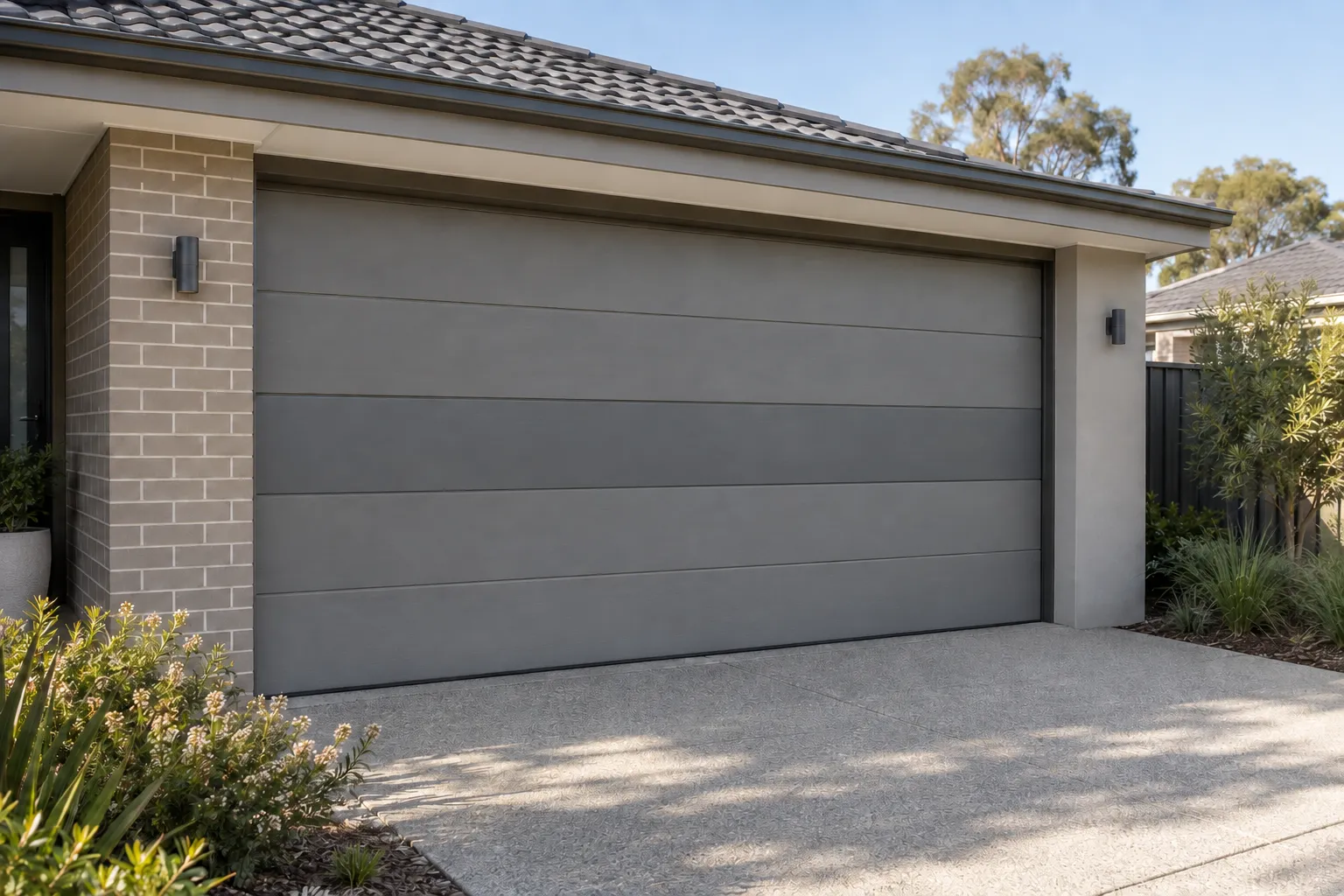
An exact visual match can be more difficult with older doors. Existing panels may have faded, weathered or changed colour, while a new panel will have a newer finish. Discontinued models may also have different profiles or surface patterns, even when a replacement section is mechanically compatible.
When an exact match is not possible, the new panel may still provide a suitable functional repair. However, if the difference in colour, finish or design is noticeable, or if a compatible panel cannot be sourced, replacing the complete garage door may provide a more consistent result.
Replacing a single sectional garage door panel involves removing the damaged section, fitting the replacement and checking that the complete door remains properly aligned and balanced. The exact process can vary depending on the door design, panel position and operating system, but the main steps include:
The existing door is first inspected to confirm the extent of the damage and check the condition of the surrounding panels, hinges, rollers, tracks, springs and cables. The replacement panel is also checked to make sure its dimensions, profile, connection points, construction and weight are compatible with the existing door.
The damaged section is carefully separated from the adjoining panels and supporting hardware before being removed. The new panel is then positioned and secured using the appropriate hinges and connections. The rollers and other hardware are aligned with the existing tracks so the replacement section can move correctly with the rest of the door.
Once the replacement is installed, the complete door is operated through several opening and closing cycles. The alignment, panel spacing, roller movement and overall balance are checked, while the opener and supporting components are assessed for smooth operation.
Any unusual resistance, noise or uneven movement should be addressed before the door is returned to normal use. Because sectional garage doors contain springs, cables and other components under significant tension, panel replacement is best carried out by a qualified garage door specialist.
Single-panel replacement may not be suitable when the damage extends beyond one section or the rest of the garage door is no longer in good condition. An isolated dent or crack can often be repaired, but structural distortion, widespread deterioration or damaged operating components may require more extensive repairs or a complete door replacement.
A panel replacement is unlikely to resolve the problem if an impact has also damaged the tracks, frame, hinges or other parts of the door. Signs that the damage extends beyond the panel can include:
If a damaged panel causes the garage door to come off its tracks, the door should not be forced open or closed because its rollers, cables or supporting hardware may also be damaged.
Replacing one section without addressing these issues can place additional strain on the new panel and the rest of the system.
Single-panel replacement may also provide limited value when the existing door has widespread rust, rot, cracking or material deterioration. If several components are already worn or approaching the end of their service life, repairing one section may only lead to further repairs.
A replacement may also be unsuitable when the original panel is discontinued and no compatible section can be sourced. Differences in dimensions, profile, construction or weight can affect the door’s operation, even when a replacement appears visually similar. In these situations, replacing the complete garage door may provide a safer, more reliable and cost-effective solution.
There is no standard price for replacing a single garage door panel because the total cost depends on the panel, door size, manufacturer, availability and installation requirements. Labour and any additional repairs can also affect the final amount.
Several factors can influence the cost of the replacement panel and installation:
Replacing one panel will cost less than installing a completely new garage door, but it may not always provide the best long-term value. If the existing door has multiple damaged sections, worn hardware, widespread deterioration or difficult-to-source parts, further repairs may quickly add to the overall cost.
A garage door specialist can inspect the existing system and provide an accurate quote based on the replacement panel, installation and any required repairs. Comparing this cost with a complete garage door replacement can help determine which option offers better value for the condition and remaining service life of the existing door.
The choice between replacing one garage door panel and replacing the entire door depends on the extent of the damage, the condition and age of the existing system and the availability of compatible parts. A single-panel replacement can be a practical solution when the damage is isolated and the rest of the door remains in good condition.
For a garage door within a strata property, the NSW Government’s guidance on strata repairs and maintenance can help determine whether the owner or owners corporation is responsible for arranging the work.
Replacing one panel may be suitable when:
Replacing the damaged section can restore the door without the cost of a complete replacement. The new panel should be correctly aligned and compatible with the existing sections to ensure smooth operation.
Replacing the entire garage door may be more practical when:
A full replacement can provide better long-term value when multiple repairs would be required. A professional assessment can help determine whether replacing one panel is sufficient or whether a new garage door would be the more reliable option.
Once a new garage door panel has been installed, the complete door should be checked to confirm that the replacement is properly aligned and works correctly with the existing system. The main checks should include:
Any unusual noise, resistance, movement or change in panel position should be investigated before the door returns to normal use. A final inspection helps confirm that the replacement panel has been properly integrated with the existing door and that no underlying issues were overlooked.
Replacing one panel can be a practical alternative to replacing an entire sectional garage door when the damage is isolated and the rest of the system remains in good condition. The door’s age, panel availability, hardware condition, alignment and overall balance should all be considered to determine whether the repair will provide reliable long-term value. Where there is widespread damage, worn components or discontinued parts, a full replacement may be the better option.
Advanced Garage Door Systems can assess the existing door and determine whether a single-panel repair or complete replacement is more suitable. A professional assessment can help identify underlying issues and ensure the chosen solution supports safe, smooth and reliable operation.

