A power outage can quickly turn an automatic garage door into a barrier, making it difficult to enter or leave the garage. Advanced Garage Door Systems helps property owners understand how to operate their doors safely when the power is unavailable, particularly when relying on garage doors in Sydney.
Knowing where the emergency release is located and how to disconnect the opener can make manual operation safer and help prevent damage to the door or opener.
It is also important to know how to lift and secure the door correctly and what to check once power returns. Following the right steps can help restore automatic operation safely while reducing the risk of injury or further damage.
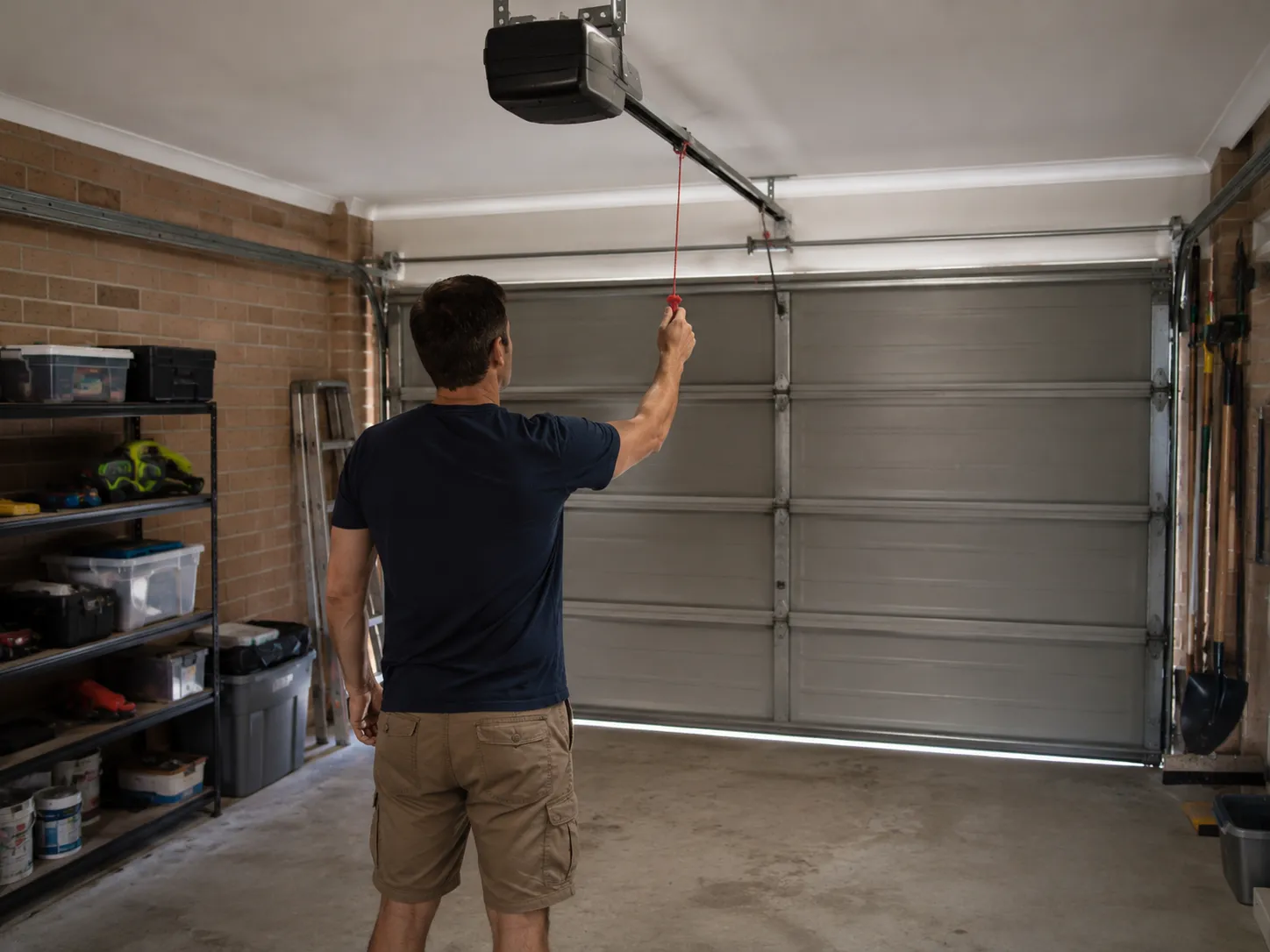
Before opening an automatic garage door during a power outage, identify how to disconnect the opener so the door can be operated manually. Most systems have an emergency release, typically a red handle attached to a cord on the opener trolley above the door. This mechanism disconnects the door from the opener, allowing it to be lifted by hand.
If the garage cannot be accessed from inside, check whether the door has an exterior emergency release. Knowing how to operate the manual release should form part of your power outage preparation, especially if the garage is an important entry or exit point.This is usually a keyed cylinder connected to the opener's release mechanism. If no exterior release is fitted, avoid forcing the door open, as this can damage the panels, tracks or locking system.
Before using any release mechanism, make sure the door is fully closed and the area around it is clear. If the door is unusually heavy, visibly damaged or does not move normally after being released, stop rather than applying additional force. These signs may indicate a problem with the springs, cables or other components.
A power outage does not remove the weight or stored tension within a garage door system. Before lifting the door, make sure it is fully closed and keep people, pets, vehicles and other objects clear of its travel path.
Look for obvious signs of damage, including:
If the door feels unusually heavy, binds or will not move smoothly, do not force it open. These signs may indicate a problem that requires professional attention.
If the door appears safe to operate, use both hands on the central handle and lift it smoothly. Keep your feet clear of the door and avoid standing directly underneath it while it moves.
If the door starts to drift downward or will not remain open, lower it carefully and stop using it. Never pry open the panels or attempt to repair springs, cables or other components during a power outage.
If the garage can still be accessed through another entry, the emergency release can disconnect the automatic opener so the door can be operated manually. This section focuses on using the release safely once its location and operation have been identified.
Before starting, make sure the door is fully closed and the area around it is clear. Most openers have a red release handle and cord hanging from the trolley on the ceiling rail.
To use the emergency release:
If the door is partially open, damaged or unable to support its own weight, do not disconnect the opener without appropriate support. A problem with the springs, cables or other components can cause the door to move unexpectedly and should be assessed by a professional.
If the garage is the only way to access a vehicle during a power outage, an automatic door may still be opened from outside if it has an exterior emergency release. This system allows the opener to be disconnected so the door can be lifted manually.
To use an exterior release:
Some older garage doors may instead have a manual locking handle with side locking bars. These must be fully disengaged before the door can be lifted manually.
If the key will not turn, the release will not disengage or the door does not move normally, do not force it. Forcing the release or prying open the panels can damage the door, tracks or release cable. If no exterior release is installed, the safest option is to enter through another access point or contact a professional rather than attempting to bypass the system.
If you have a garage door not opening even after the emergency release has been disengaged, avoid forcing it. The problem could be a locked mechanism, an obstruction in the tracks or a fault with the door's springs or cables.
Check the following before attempting to move the door:
If the door feels unusually heavy, moves unevenly or stops after only a short distance, do not apply additional force. Garage door springs and cables can hold stored energy, so attempting to repair or reposition them without the right expertise can be dangerous. A garage door professional can identify the fault and determine whether the door can be safely repaired and operated again.
If the emergency release does not disengage the opener during a power outage, avoid forcing the door. The problem may be a locked mechanism, damaged release, track obstruction or a more serious issue with the springs or hardware.
First, make sure any side locks, slide bolts or keyed handles are fully disengaged. Inspect the release cord and handle for obvious damage and confirm that the opener trolley has disconnected. If the cord has snapped or the release will not operate, do not keep pulling or apply excessive force.
If the release appears to work but the door remains stuck, look for obvious objects, debris, displaced rollers or visible damage in the tracks. Only remove minor obstructions that can be cleared safely without tools.
Do not attempt to straighten bent tracks or reposition rollers while the door is under tension. A door that continues to bind or stops after moving only a short distance should be professionally assessed.
If the door feels extremely heavy, will not lift or moves unevenly, a broken spring or cable may be responsible. A visible gap in a spring, dangling cable or loud bang before the door stopped working can also indicate a fault.
If these signs are present, stop operating the door and keep people and vehicles clear. Springs and cables can store significant energy, so repairs should be left to a professional.
Once power is restored, the garage door opener needs to be reconnected so the door can return to automatic operation. Before doing so, check that the door is properly aligned, moves smoothly and shows no signs of damage.
Make sure the door is fully closed and inspect the panels, rollers and tracks. The door should sit evenly and move without unusual resistance.
If it feels unusually heavy, crooked or difficult to move, have it inspected before reconnecting the opener.
With the door closed, reset the emergency release according to the opener manufacturer's instructions. On many systems, operating the opener with the wall button or remote allows the carriage to reconnect with the trolley.
Listen for the mechanism to engage. If the opener runs but the door does not move, the trolley may not have reconnected correctly.
Use the wall control or remote to open and close the door. It should move smoothly without jerking, scraping or stopping unexpectedly.
If the door behaves unusually or does not complete its normal travel, stop using the opener until the cause has been identified.
Confirm that the photo-eye sensors are clean and aligned and that the door's safety reversal function operates correctly. Checking your garage door safety features after restoring power can help confirm that the system is operating correctly. If a safety feature does not work as expected, stop using the opener and arrange a professional inspection.
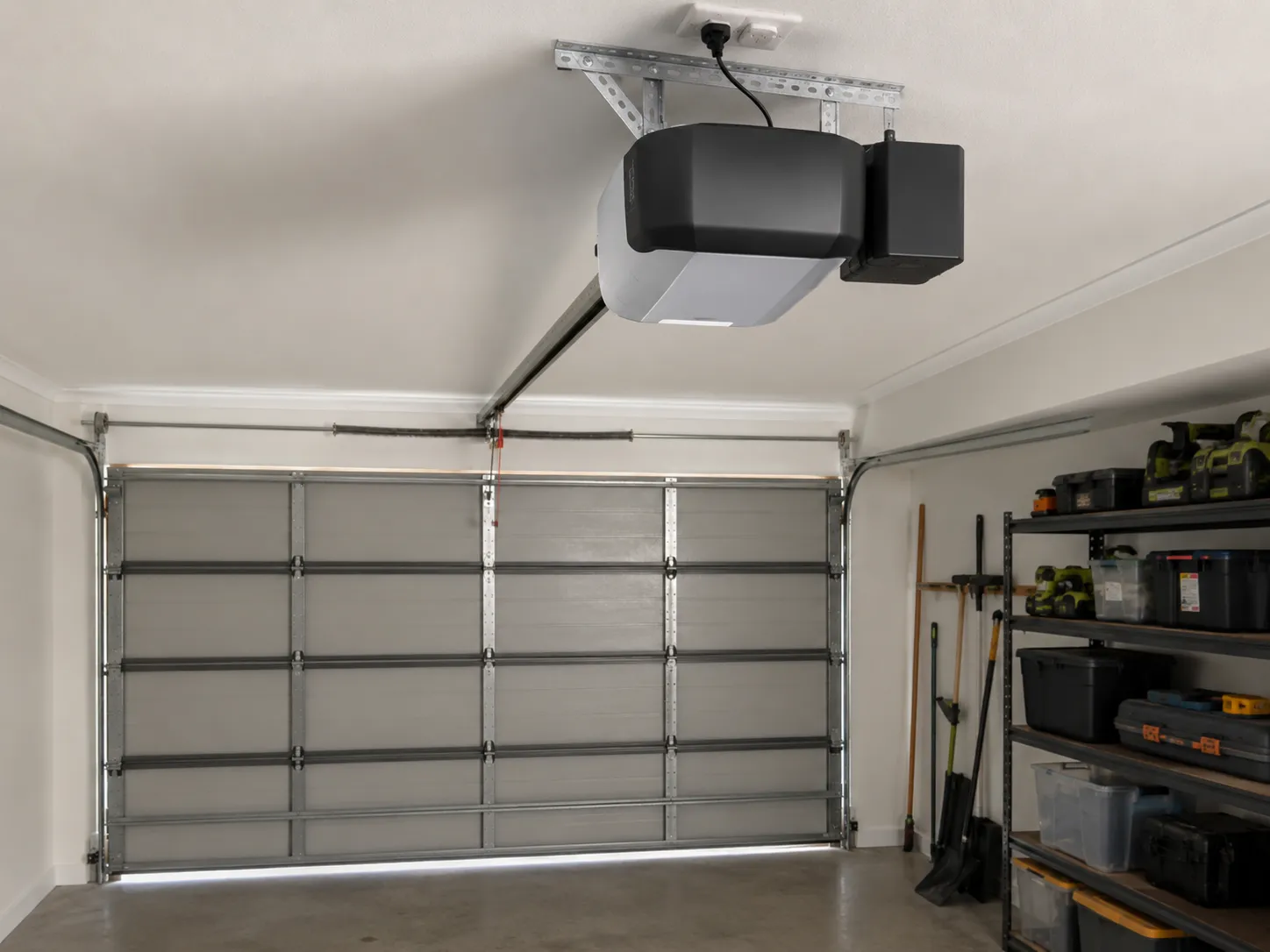
A battery backup can keep an automatic garage door operating when the power goes out, allowing the opener to work without relying on the manual release. For homes that experience regular power interruptions, a suitable backup can help maintain access to and from the garage. Preparing for future outages may also involve considering a suitable backup power source for electrical equipment you need to keep operational.
The right option depends on the existing opener and the amount of backup power required. Most systems are designed to operate the opener and safety sensors for a limited number of cycles rather than provide power to other household appliances.
Many modern garage door openers have an integrated battery backup or support a manufacturer-approved battery module. These systems automatically charge while mains power is available and switch to battery power during an outage.
When replacing an opener, check whether battery backup is included or compatible with the model. The manufacturer's specifications should be followed when selecting a replacement battery.
If the opener does not support an integrated battery, a compatible standalone power source may be an option. Depending on the system, this could include:
Any external backup should be correctly matched to the opener's power requirements. An undersized unit may not provide enough power for the motor to start.
Choose a backup system based on the opener's specifications, door size and expected number of operating cycles. Regular testing is also important to ensure the battery remains reliable when needed.
Follow the manufacturer's recommendations for battery replacement and test the backup system periodically. Keeping the opener and safety sensors properly maintained will also help ensure the door operates safely during an outage.
Not every garage door problem during a power outage is suitable for DIY troubleshooting. Knowing when to stop can help prevent further damage and reduce the risk of injury, particularly when springs, cables or other components are under tension.
Professional assistance is recommended if:
Professional garage door repairs may be required to identify the underlying problem, repair damaged springs, cables, tracks, rollers or opener components, and confirm that the door is safe to use. If there is any doubt about whether the door can be operated safely, professional assistance is the safer option.
Opening an automatic garage door during a power outage is easier and safer with the right preparation. Knowing how to use the manual release, lift the door correctly and check its condition can help prevent damage and reduce the risk of injury. Advanced Garage Door Systems recommends avoiding force if the door feels unusually heavy, moves unevenly or shows signs of damage.
Know when professional assistance is needed when springs, cables or tracks appear faulty. With proper care and regular maintenance, a garage door can remain accessible, secure and reliable even when the power goes out.

