A garage door that refuses to close properly can create more than a minor inconvenience. It can compromise security, disrupt daily routines and place unnecessary strain on components that are designed to operate smoothly and safely. Whether the door stops before reaching the floor, reverses unexpectedly or fails to move at all, the cause is often a specific issue that can be identified through a careful inspection process.
For homeowners dealing with garage doors in Sydney, understanding the most common causes of closing problems can help prevent further damage and reduce the risk of costly repairs. This guide outlines the areas to inspect, highlights important safety considerations and explains when professional assistance from Advanced Garage Door Systems may be required.
A garage door that will not close fully or reverses for no obvious reason is often reacting to something in its path or a problem with the safety sensors. Modern automatic openers are designed to stop or reverse when they detect an obstruction or a sensor fault. Before assuming a major mechanical issue, it is worth ruling out these common and often simple causes.
Most initial checks can be done visually. The key is to inspect the door’s path, check the floor area near the opening and confirm that the photoelectric safety sensors are clean, aligned and receiving power. Ignoring these simple checks can lead to unnecessary strain on the opener and avoidable repair costs.
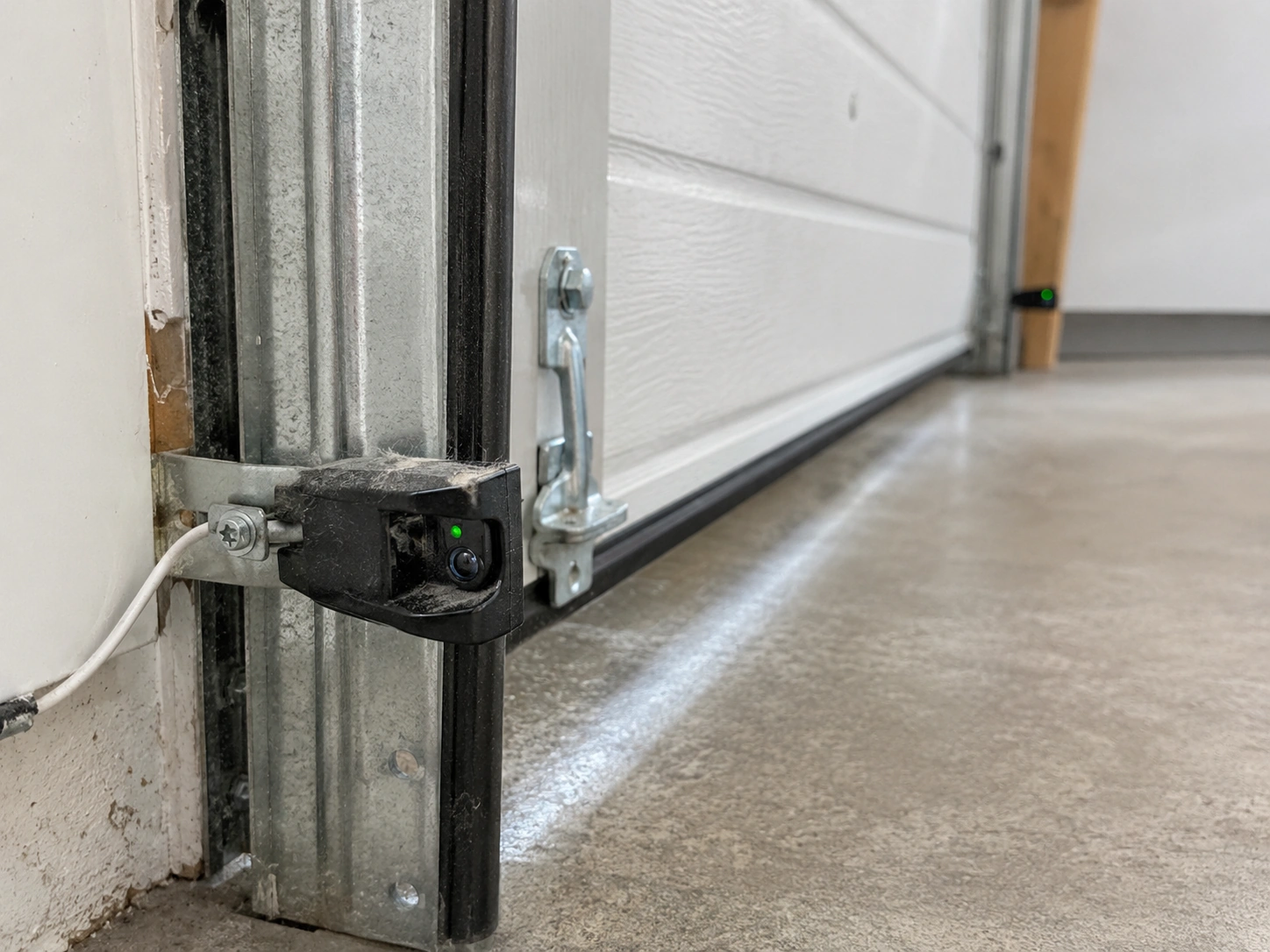
Start by examining the area where the door travels. Even a small object can prevent the bottom seal from reaching the floor or cause the opener to reverse the door.
Look along the floor under the door and slightly inside the garage. Items such as small tools, gravel, toys or pieces of packaging can block the door’s path and trigger the safety system. Remove anything that is not part of the garage door system and test whether the problem disappears.
Also check that the door panels are not hitting anything overhead or along the sides, such as storage items, light fixtures, loose wiring or objects placed too close to the opening. The door needs to move through its full travel without rubbing, catching or striking anything.
If the garage door will not close and the opener light blinks, the photoelectric safety sensors are a likely cause. These are the small sensor units mounted low on each side of the opening, usually close to the bottom of the vertical tracks.
First, check whether the sensor lights are on. One side will usually show a power light, while the other confirms correct alignment. If one or both lights are off, flickering or dim, check for loose wiring, visible damage or a sensor that has been knocked out of position.
Gently clean the sensor lenses with a soft, dry cloth. Dust, dirt, leaves or spider webs across the lens can interrupt the beam and make the opener respond as though something is blocking the door. Avoid harsh cleaners, as these may damage or fog the lens.
Then check alignment. The two sensors need to face each other directly at the same height. If a bracket has been bumped, the sensors may be slightly twisted or angled away from each other. In some cases, a careful adjustment may restore the steady indicator light. If the sensors will not stay aligned, appear damaged or continue to fault, professional servicing may be needed.
Misaligned, dirty or damaged tracks and rollers are among the most common reasons a garage door will not close properly. The door must glide smoothly within its metal tracks on rollers. Any bends, gaps, debris or worn components can cause sticking, jerking or reversing before the door reaches the floor.
A careful visual inspection can reveal many of these problems. This is one of the simplest checks a homeowner can perform, but it should be limited to observation, cleaning and identifying obvious defects. Bent tracks, damaged rollers and loose structural hardware should be repaired by a trained technician.
Start by examining the vertical tracks on both sides of the door, then follow them up to the horizontal tracks overhead. The tracks should be straight, firmly secured to the wall and ceiling, and parallel to each other. Look for obvious bends, kinks or areas where the track has pulled away from the mounting brackets.
Stand inside the garage and sight along each track, as though looking along a straight edge. Gaps between the track and rollers, visible waviness in the metal or sections that appear to lean inward may indicate misalignment. Even a slight bend can pinch a roller and prevent the door from closing smoothly.
Also check for stones, leaves, hardened grease or other debris caught inside the track. Wipe out cobwebs, dirt and loose material with a clean cloth. Avoid placing heavy grease inside the tracks, as it can attract dirt and make sticking worse over time.
If the track is bent, loose, cracked or pulling away from the wall, stop using the door and arrange professional repair. Forcing the door to operate against a damaged track can cause further damage to rollers, hinges, panels and the opener.
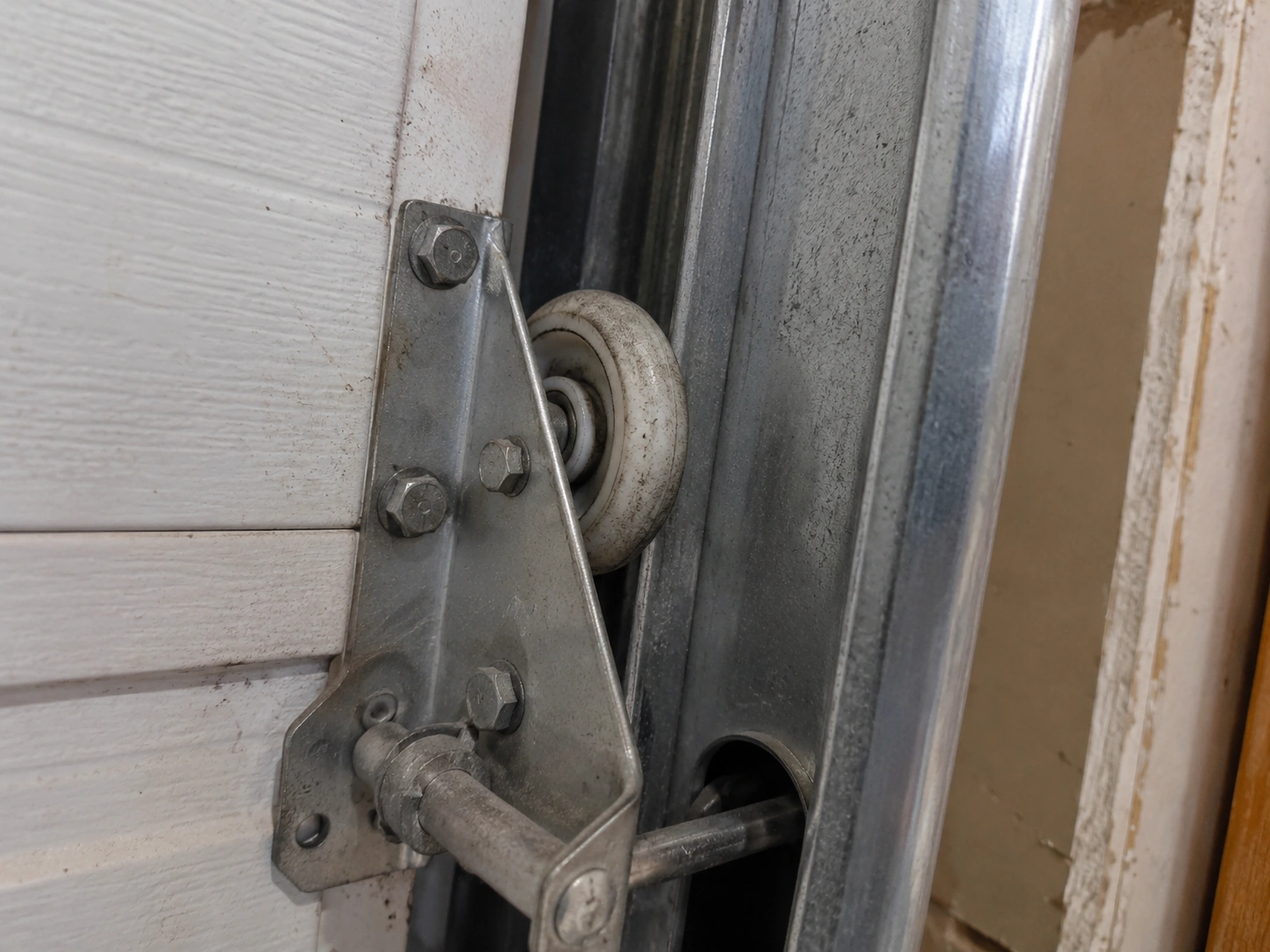
Rollers should sit squarely in the tracks and move smoothly as the door opens and closes. Look at each roller on both sides of the door. Signs of trouble include cracked or chipped wheels, rollers that wobble, bent stems or rollers that appear to be leaning out of the track.
Steel rollers should rotate smoothly without grinding. Nylon rollers should not be flattened, split or misshapen. If the rollers are worn, damaged or repeatedly sticking in one section of the track, they may need to be replaced.
Only test the door manually if it appears level, the cables are intact and the door is not jammed. If it is safe to do so, disconnect the opener using the emergency release cord and move the door a short distance by hand. If the door feels unusually heavy, drops quickly, sits crooked or will not move smoothly, stop immediately and arrange professional repair.
A small amount of suitable garage door lubricant may be applied to roller bearings, hinges and moving metal parts, depending on the manufacturer’s recommendations. Avoid over-lubricating and do not use heavy grease inside the tracks.
When a garage door will not close properly, it is easy to assume there is a major mechanical fault. In some cases, the problem may be as simple as an unresponsive remote, a faulty wall switch or incorrect opener settings. Ruling out these basic issues can save time and prevent unnecessary repair costs.
This section explains how to test the controls and key settings on a typical residential automatic opener, so it becomes clearer whether the fault lies with the controls, the opener logic or another part of the system.
Start with the handheld remotes, as they are a common source of confusion. Stand within a reasonable range of the door, typically in the driveway, and press the button while watching the opener lights and door movement.
If the remote will not close the door but the wall switch works, the remote is likely to be the issue. Replace the battery with the exact type specified for the remote, then try again. If the indicator light on the remote still fails to illuminate after a new battery has been fitted, the remote itself may be faulty.
If there are multiple remotes, test each one. When none of the remotes will close the door but the opener still responds to the wall switch, the remotes may have lost their programming. Check the opener manual for reprogramming instructions using the “learn” button on the motor unit. If programming does not resolve the issue, the opener receiver or control board may need professional assessment.
The wall control is hard-wired to the opener and is a useful way to separate remote-control issues from mechanical or sensor problems. Press the main open or close button and listen for any response from the opener. If there is no movement, motor sound or light change, the problem may be with the wall switch wiring, the opener power supply or the opener itself.
Many wall consoles include a “lock” or “vacation” feature that disables remote controls while still allowing operation from the wall button. If the remotes suddenly stop working but the door operates normally from the wall, check whether this feature has been activated. Turning it off usually involves pressing and holding the lock button for several seconds until the indicator light changes, but the exact process depends on the opener model.
If the remote and wall switch can start the door but it will not fully close, the issue may relate to the opener’s travel limits or sensitivity settings. Travel limits tell the motor how far the door should move in the open and closed directions. If the close limit is set incorrectly, the opener may stop too early or reverse as though the door has hit an obstacle.
These limits may be adjusted with small screws, dials or electronic menu settings, depending on the opener model. Any adjustment should be made cautiously and according to the manufacturer’s instructions. Very small changes should be tested one at a time, as over-adjusting can cause the door to push too hard into the floor or place unnecessary strain on the opener.
Force or sensitivity settings also need care. If the close force is too low, the opener may mistake normal resistance for an obstruction and reverse. However, increasing the force can be unsafe if the real cause is a mechanical fault, such as damaged rollers, a misaligned track or a heavy door. If the door repeatedly reverses or needs more force to close, the underlying problem should be inspected before settings are changed further.
A garage door that refuses to close smoothly, stops partway down or moves unevenly may have a spring or cable problem. These components carry the weight of the door and help it move in a controlled way. When they fail or go out of balance, the opener may struggle, the door may become crooked or the system may become unsafe to operate.
Because springs and cables are under high tension, they are among the most dangerous parts of a garage door system. Homeowners should only perform visual checks from a safe distance. Any suspected spring or cable damage should be repaired by a trained professional.
Torsion and extension springs are designed to counterbalance the weight of the door so it feels relatively light to the opener. When a spring breaks, weakens or goes out of adjustment, the door can become heavy and difficult to control.
Common signs of a spring problem include:
A completely broken torsion spring is often visible as a gap in the spring coil. It may also be accompanied by a loud bang at the time of failure. Extension springs, which run along the tracks on some systems, may show stretched coils, loose sections or visible damage.
Do not attempt to adjust, remove or replace garage door springs. These parts are under significant tension and can cause serious injury if handled incorrectly.
Lift cables run along each side of the door and work with the springs to raise and lower the panels evenly. If a cable frays, loosens or comes off the drum or pulley, the door can jam, bind, tilt or stop before closing fully.
Visible warning signs include:
Continuing to use the opener when a cable is damaged can bend tracks, damage rollers and increase the risk of the door coming off its path. If a cable problem is suspected, stop using the door and arrange professional repair.
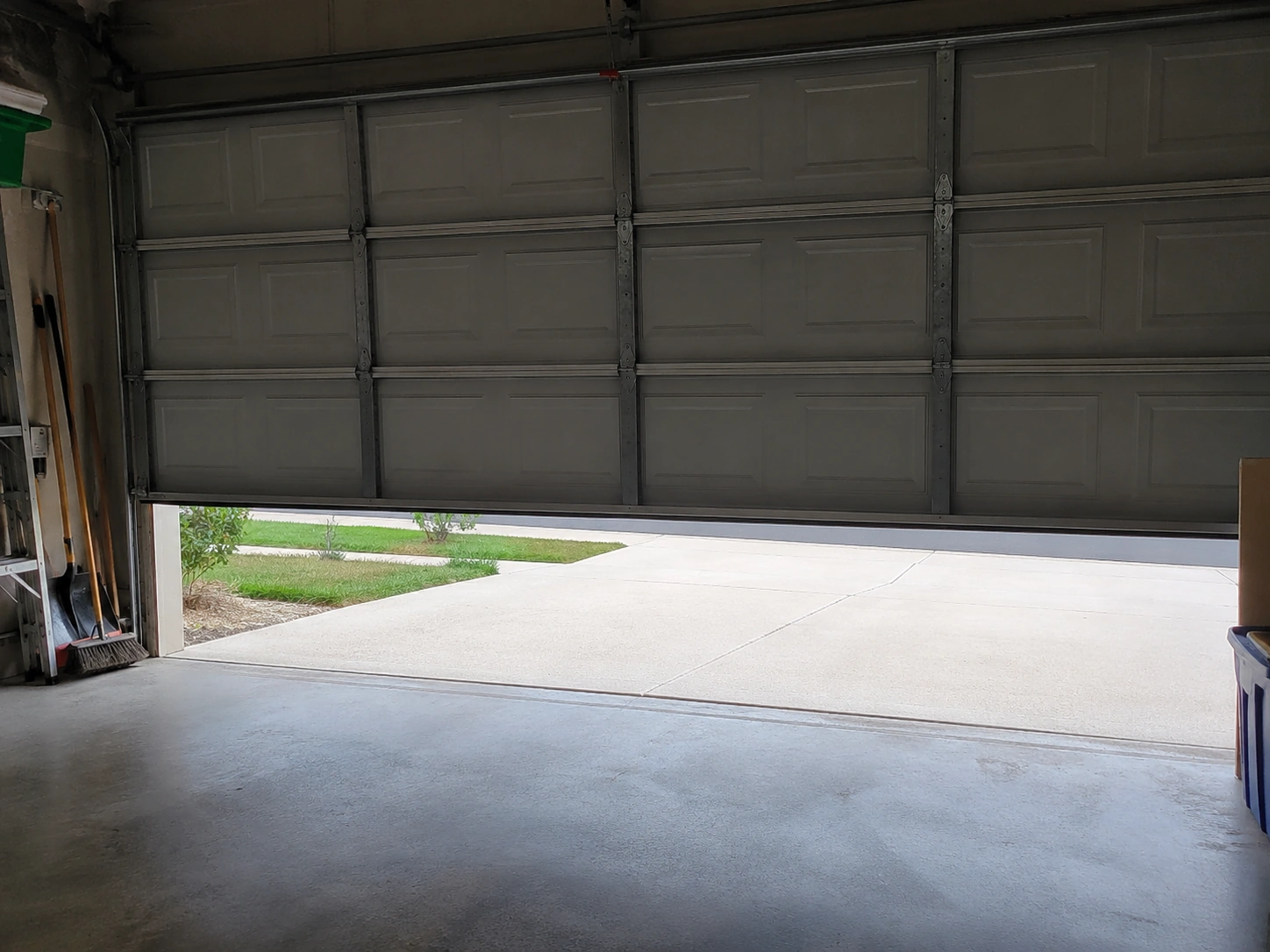
A garage door that will not close properly is more than an inconvenience. Under certain conditions, it becomes a safety and security risk and should not be used until inspected. Knowing when to stop operating the door helps prevent injury, vehicle damage and costly structural failures.
In general, if the door behaves unpredictably, moves unevenly, makes aggressive mechanical noises or requires physical force to operate, it should be taken out of service. Continued use can cause minor issues to escalate into broken springs, failed openers, damaged panels or doors that come off their tracks.
Stop using the door immediately if any of the following occur:
These issues often point to failing springs, damaged cables or misaligned tracks. A broken or nearly broken spring can cause the full weight of the door to drop suddenly. A door that has jumped the track can bind and twist, increasing the chance of more serious damage.
Other problems may not require an immediate emergency response, but they still justify prompt repair and limited use. These include:
These symptoms may indicate early wear, opener strain, misaligned photo eyes, mild track movement or developing mechanical problems. The door may still function, but continued use can accelerate wear and lead to sudden failure.
A door that refuses to close fully or leaves a consistent gap at the floor creates a security issue. If the door cannot close after basic checks, such as clearing the opening, cleaning the sensors and checking the controls, it is time to schedule repair.
If the door must remain partially open, secure the internal access door, remove valuables from sight and avoid forcing the garage door shut. Temporary barriers may help reduce access, but they are not a substitute for proper repair. A faulty garage door should be inspected as soon as possible so the property can be secured properly.
A garage door that will not close properly is usually the result of a fault that presents clear warning signs when inspected carefully. Obstructions, sensor faults, dirty tracks, worn rollers, opener settings, spring problems and cable issues can all affect how the door closes.
Basic visual checks and routine cleaning may resolve some simple causes, but structural, electrical and high-tension component faults should always be handled by a qualified professional. A methodical approach to diagnosis, combined with timely repairs, helps maintain dependable performance, protects the lifespan of the system and ensures the garage door continues to operate safely.

