Losing a garage door remote can affect convenience and security if someone else could use the missing remote to access the property. Replacing it may restore access, but it does not necessarily prevent the lost device from operating the garage door.
Advanced Garage Door Systems can address access issues and identify suitable solutions for missing remotes. The appropriate response depends on where the remote was lost, the type of opener installed and whether the missing handset can be deactivated.
Knowing how to assess the risk, remove a lost remote's authorisation and restore access for other household members can help resolve the problem without assuming the entire garage door system needs replacing.
Start by considering whether the missing remote could be connected to your home. A handset misplaced somewhere indoors presents a different concern from one stolen with documents showing your address.
If unauthorised access is a realistic possibility, contact a technician promptly. Explain how the remote went missing and ask about restoring access and deactivating the missing handset. These may require separate steps, depending on the equipment.
Think about when you last used the remote and what was with it. If it is probably under a seat or inside a bag at home, a short search may resolve the problem. Checking with other household members can also help locate a handset that has been moved or stored elsewhere.
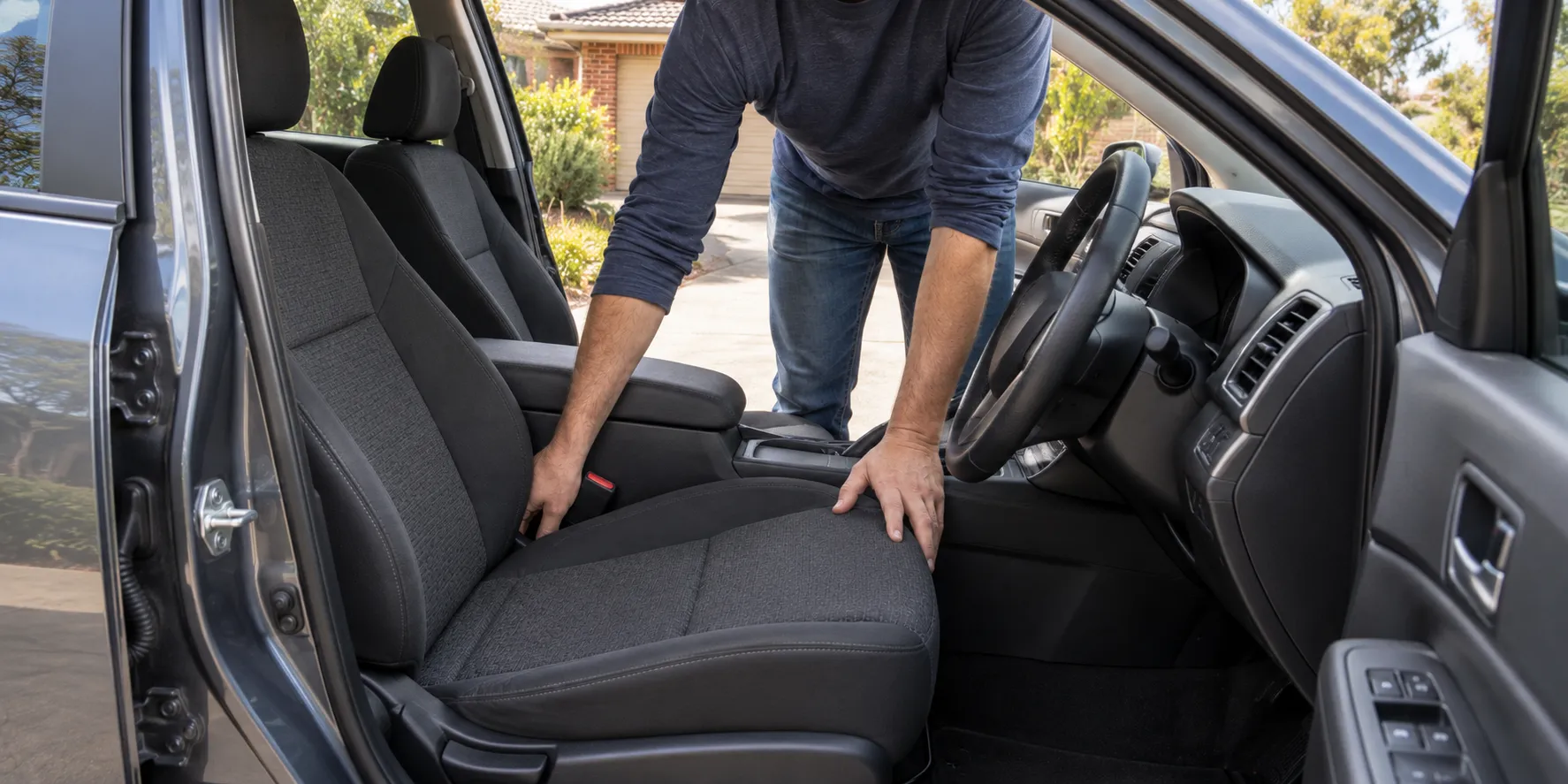
The situation is more urgent if the remote disappeared with house keys, identifying documents or a bag containing your address. A remote stolen from a vehicle parked at your property may also be easier to associate with the correct garage. Although a lost remote does not automatically mean someone will attempt unauthorised entry, the circumstances can justify immediate and proper action.
If the remote was stolen, Service NSW provides guidance on reporting theft and when an online police report is appropriate.
When contacting a technician, explain whether the handset was misplaced, lost away from home or stolen. Mention if other household members still have working remotes and if another normal access method is available. This helps the technician assess the security concern and determine the next steps.
If it is safe to do so, use an authorised control to close the garage door normally. Confirm that it has fully closed rather than relying on the sound of the motor or a button press. Keeping the door closed limits immediate exposure, although it does not deactivate the missing remote.
Some openers have a user-operated function that restricts remote operation. Ask the technician whether your particular system supports this feature and whether it is appropriate for the situation. Do not assume that a function labelled as a lock disables every access method.
Avoid improvising a lock, disconnecting safety equipment or interfering with the door mechanism. If the door will not close using its normal controls, or the garage cannot be accessed safely, explain the problem when arranging assistance.
If the garage is the household's usual entry point, also mention which people need access before the technician arrives. Any temporary restriction should account for these needs while the missing remote's status is addressed.
A technician may be able to remove the missing remote's authorisation from the existing system. The available method depends on the opener, receiver and remote technology, so the correct procedure should be confirmed for the installed equipment.
Some systems support individual remote deletion, while others require the receiver's stored remote authorisations to be cleared before the remaining handsets are enrolled again. Understanding this difference helps homeowners request the right work.
The remote sends a signal that the receiver checks before operating the door. Depending on the system, the receiver stores information that allows it to recognise authorised handsets. Pairing a replacement remote adds another authorised device rather than automatically withdrawing the missing handset's access.
When requesting a quote, explain that the original remote is missing and ask what can be done to prevent it from operating the door. A replacement-only service may focus on supplying and pairing a new handset without addressing the lost device's authorisation.
Ask for written quotes that clearly state whether the service includes supplying and pairing the replacement handset, deactivating the missing remote and re-enrolling any remaining devices.
Changing the missing remote's battery or pairing another handset should not be treated as a security measure. Unless the system's relevant authorisation settings are changed, the missing remote may remain capable of operating the door.
If the system supports individual deletion, a technician may be able to remove the missing handset without affecting other authorised remotes. However, this is based on how the receiver manages its stored devices and whether the missing remote can be identified and selected for removal.
Other systems require the relevant receiver memory to be cleared, which can remove authorisation for existing household remotes. Those devices may then need to be enrolled again. Keypads, smartphone controls and other access devices may behave differently depending on whether they use the same receiver or a separate connection.
Avoid experimenting with reset buttons or programming sequences intended for similar-looking openers. Incorrect procedures can disrupt existing access settings, and instructions for another model may not apply. A technician can identify the equipment and determine the appropriate method.
The garage door itself is separate from the equipment that receives the remote's signal. Losing a handset does not automatically mean replacing the door, motor or entire access system. If replacement equipment is proposed, ask which component needs attention and why.
For more background, the overview of garage door types and systems explains the broader differences between garage door setups.
Once the missing remote's authorisation has been addressed, the remaining household access methods need to be considered. Preparing equipment details and identifying the devices that must continue working can help experts complete the job with fewer disruptions.
Two remotes can look almost identical and still be incompatible. The number of buttons, casing colour or advertised operating frequency alone does not establish compatibility. The remote's signalling method and the receiver's supported devices also need to match.
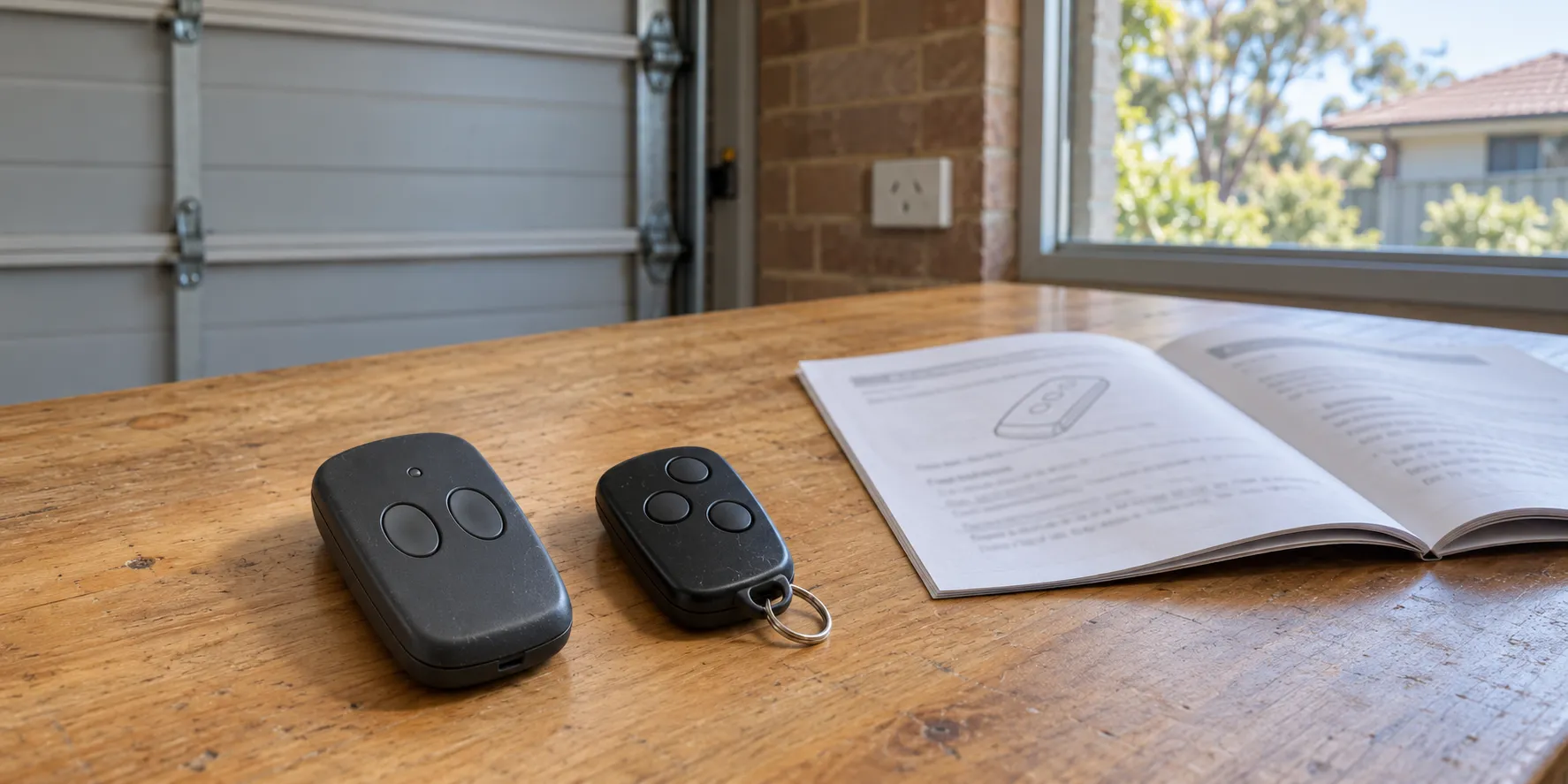
If safely visible, note the model information on the opener and any separate receiver. Photographs of accessible equipment labels and a remaining remote can help the technician identify the setup. There is no need to remove covers, access wiring or climb to reach equipment. If the labels cannot be reached safely, leave the identification to the professionals.
Mention any changes you know about, such as a receiver added after the original opener was installed. In these situations, the opener's model alone may not identify a suitable replacement. An existing invoice or operating manual may also provide useful information.
Before purchasing a new handset, ask how compatibility will be confirmed and whether the proposed service includes addressing the missing remote's authorisation. A compatible replacement restores convenient access, while deactivation addresses the separate security concern.
Tell the technician about all the access methods used by the household, including spare remotes, wireless keypads and smartphone-based controls. These devices may connect through different parts of the system, so clearing remote memory does not necessarily disable or reset every access method.
If the existing setup includes connected controls, the article on smart access options for an existing garage door provides additional context. Mention the equipment already installed rather than assuming an upgrade is necessary to resolve a lost-remote problem.
Have the available household remotes ready for the appointment and identify any that cannot be brought along. Ask the technician which devices need re-enrolment and whether absent handsets will need to be programmed separately.
Before the work is considered complete, confirm that the missing remote's authorisation has been removed where the system supports it. Have the remaining remotes and other relevant access methods tested, and clarify how any devices that were not present can be restored later.
If a garage door remote goes missing, addressing both access and security can help protect the property while restoring normal operation. Advanced Garage Door Systems can assess the existing opener, explain the available options for deactivating a lost remote and determine whether a replacement handset or further adjustments are needed.
Sydney homeowners can contact Advanced Garage Door Systems through its garage doors in Sydney page for advice tailored to their existing system. Providing details about how the remote went missing, the equipment installed and the household access devices that need to remain usable can help the team recommend a solution.

