For most homeowners, the garage door is the hardest-working moving system in the house. It opens early in the morning, closes late at night and is often used far more than the front door. Despite this constant use, it is also one of the most overlooked parts of the home until something goes wrong. At Advanced Garage Door Systems, we regularly see preventable breakdowns that could have been avoided if early warning signs had been recognised sooner.
Smart garage doors are changing how homeowners approach maintenance and reliability. Rather than waiting for a motor to fail or a spring to snap, smart technology helps identify small issues early, allowing them to be addressed before they escalate into expensive emergency repairs. For Australian homes exposed to heat, dust, storms and coastal air, this proactive approach plays an important role in protecting both the garage door system and the household budget.
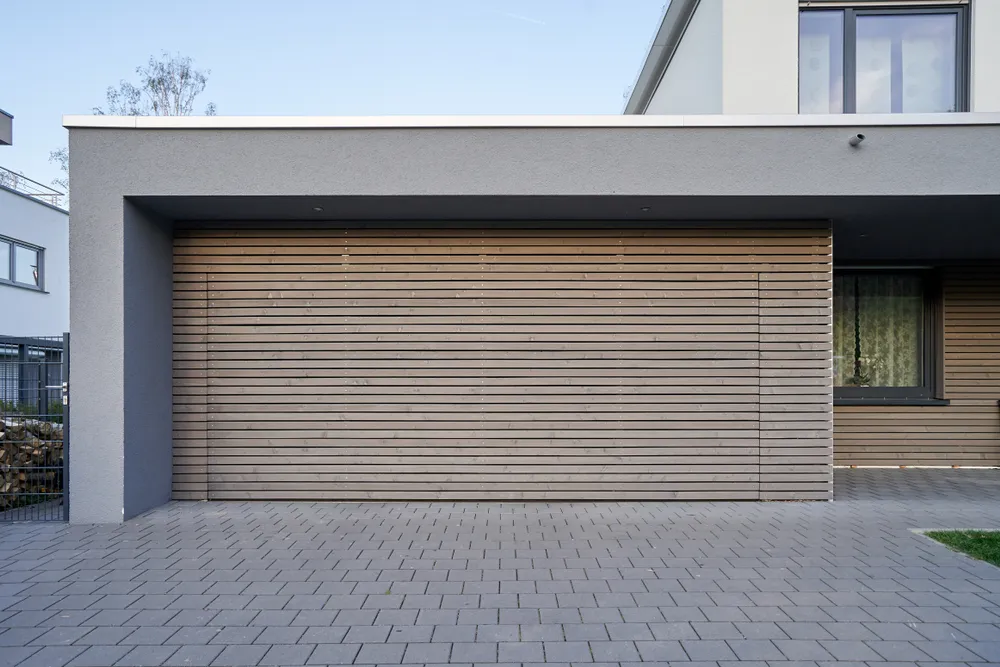
One of the biggest advantages of smart garage doors is their ability to monitor performance continuously. Traditional systems rely on visual checks or reactive servicing, which often miss gradual changes. Smart systems collect data every time the door operates, helping detect problems long before they become obvious or disruptive.
Garage door motors and springs are designed to operate for a specific number of cycles over their lifespan. A cycle is counted each time the door opens and closes. In busy Australian households, particularly those with multiple vehicles, usage can be far greater than homeowners realise.
Smart garage doors automatically track how often the system is used and how hard the motor works during each cycle. Over time, this builds a clear picture of system health. When springs begin to lose tension or rollers start creating resistance, the motor has to work harder to compensate. This extra strain is one of the earliest indicators that maintenance is needed.
Without this insight, motors are often pushed past safe operating limits. By the time a problem is noticed, the motor may already be damaged, leading to sudden failure and costly replacement.
Garage door issues rarely appear overnight. More often, they develop slowly through subtle changes in movement or sound. Because these changes happen gradually, homeowners often adapt to them and assume they are normal.
Smart garage doors use sensors to monitor movement speed, force and consistency. When resistance increases or operation slows, the system records the change and flags it for attention.
Early signs commonly include doors opening more slowly, uneven movement along the tracks, new or inconsistent noises from the motor, or a door that feels heavier than usual. These issues are often linked to worn rollers, track alignment problems, drying lubrication, or changes in spring tension. Addressing them early reduces strain across the entire system and prevents further damage.
One of the most practical benefits of smart garage doors is automated alerts. Instead of discovering a problem when the door refuses to open, homeowners receive notifications while the system is still working.
These alerts allow maintenance to be planned at a convenient time rather than during an emergency. In Australia, where garages often provide direct access into the home, avoiding sudden failures helps maintain security, safety and daily routines. Notifications may relate to increased motor load, irregular movement or safety sensor interruptions, all of which can be addressed before they lead to a complete breakdown.
Emergency garage door repairs are inconvenient, expensive and often avoidable. Smart technology reduces the likelihood of these situations by encouraging early intervention and consistent maintenance instead of reactive fixes.
Garage door motors and springs work together under significant load. When one component begins to fail, the others must compensate, increasing the risk of sudden breakdown.
Smart systems monitor how evenly the door lifts and how much effort the motor uses during operation. When spring tension drops or resistance increases, the system detects the imbalance early. This is particularly important for larger and heavier doors, which are common in modern homes and many garage doors in Sydney, where increased door size places additional strain on mechanical components.
By addressing imbalance early, homeowners can avoid sudden spring failures or motor burnout, both of which often result in higher repair costs and potential safety risks.
Wear and tear is inevitable in any mechanical system. The key difference with smart garage doors is timing. Problems are identified while they are still manageable rather than after parts fail completely.
Smart monitoring tracks long-term changes in performance, making it easier to carry out targeted maintenance such as adjustments, lubrication, or minor part replacement. This approach reduces stress on major components and significantly extends the lifespan of the entire system. Instead of replacing multiple damaged parts after a failure, homeowners can resolve issues individually as they arise, which is far more cost-effective.
A large number of emergency garage door callouts happen simply because maintenance was delayed or forgotten. Traditional systems provide no reminders and no insight into their condition, so problems often go unnoticed until access is lost.
Smart garage doors help prevent this by providing timely notifications based on actual usage and performance. Homeowners are more likely to act when they receive clear, practical prompts, reducing the likelihood of breakdowns and after-hours repair callouts.
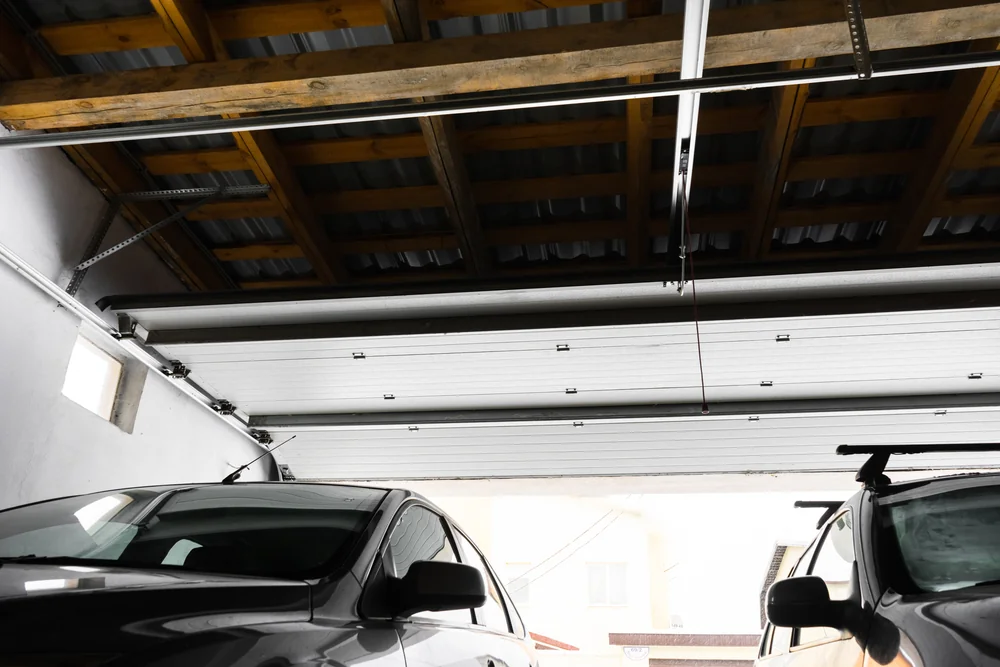
Smart garage doors help prevent this by providing timely notifications based on actual usage and performance. Homeowners are more likely to act when they receive clear, practical prompts, reducing the likelihood of breakdowns and after-hours repair callouts.
Smart garage doors are particularly beneficial in homes where the garage plays a central role in daily life. This includes households where the garage is the main entry point, accessed multiple times a day, or directly connected to the home.
In these situations, a garage door failure affects more than convenience. It can disrupt routines, compromise security and create safety concerns. Smart monitoring helps ensure reliability where it matters most.
Upfront cost is often the main hesitation for homeowners considering smart garage doors. However, this needs to be weighed against the long-term costs of repeated repairs, emergency callouts and major component replacements.
When evaluating an upgrade, homeowners should consider the age of their current system, how often repairs have already been required and the inconvenience of unexpected failure. In many cases, the cumulative cost of repairs over time exceeds the price difference between traditional and smart systems.
Smart garage doors are not essential for every property. Low-use garages, detached sheds, or spaces accessed infrequently may still perform well with a traditional system when serviced regularly. Homes with limited electrical capacity or connectivity may also be better suited to a conventional setup paired with consistent manual maintenance.
From our experience at Advanced Garage Door Systems, smart garage doors are one of the most effective ways to prevent costly breakdowns before they happen. By detecting problems early, reducing emergency repairs and supporting proactive maintenance, smart technology helps Australian homeowners protect their garage door systems, improve safety and enjoy long-term peace of mind.

