A garage door motor can face its busiest workload before your household has even finished breakfast. With two cars, school departures and separate work schedules, several opening and closing movements may happen within a short period. The timing of these movements matters just as much as the total number of times the door operates throughout the day.
When comparing options for garage doors in Sydney, a higher power rating alone is not enough to identify the right motor. The opener must suit the door's size, weight and mechanism while supporting the household's expected usage. Understanding these factors makes it easier to compare recommendations and choose a model suited to everyday demands.
Start by assessing the household's actual routine rather than describing the door as being used frequently. An installer needs to understand both the total number of operations and how closely they occur together.
Garage door use often peaks during morning departures and evening arrivals, particularly in households with multiple drivers. Even a moderate daily total can create a concentrated workload if several trips occur within minutes of each other.
A complete cycle involves opening the door and closing it again. An opening on its own is one movement, not a complete cycle. This distinction matters when comparing household usage with the operating limits stated in a motor's documentation.
Manufacturers may express operating limits as complete cycles, individual operations, running time or other model-specific measures. These figures are not necessarily interchangeable, so ask the installer to explain how the proposed model's specifications relate to the household's routine.
For example, if two cars leave separately in the morning and return separately in the evening, the garage door completes four open-and-close cycles across those trips. Additional school runs, errands or regular access to the garage will increase the total.
Counting these cycles gives the installer a clearer picture of the work the motor must handle.
Two cycles spread across several hours create a different operating pattern from two cycles performed almost consecutively. A motor may have more time to rest between widely spaced trips, while closely grouped operations create a more concentrated workload.
Record the approximate spacing between movements during the busiest part of the day. For example, one car might leave for work, another might leave for the school run a few minutes later, and the second car might return shortly afterwards. This information provides a more useful picture than simply stating that two drivers share the garage.
Observe several representative days, including a very busy day. Include regular non-driving access if the garage door is used for other purposes. Approximate times and cycle counts are sufficient to help describe the routine.
Provide the installer with the usual daily total, the busiest sequence of operations and any expected changes, such as another driver joining the household. This helps ensure the recommendation reflects both current and anticipated use.
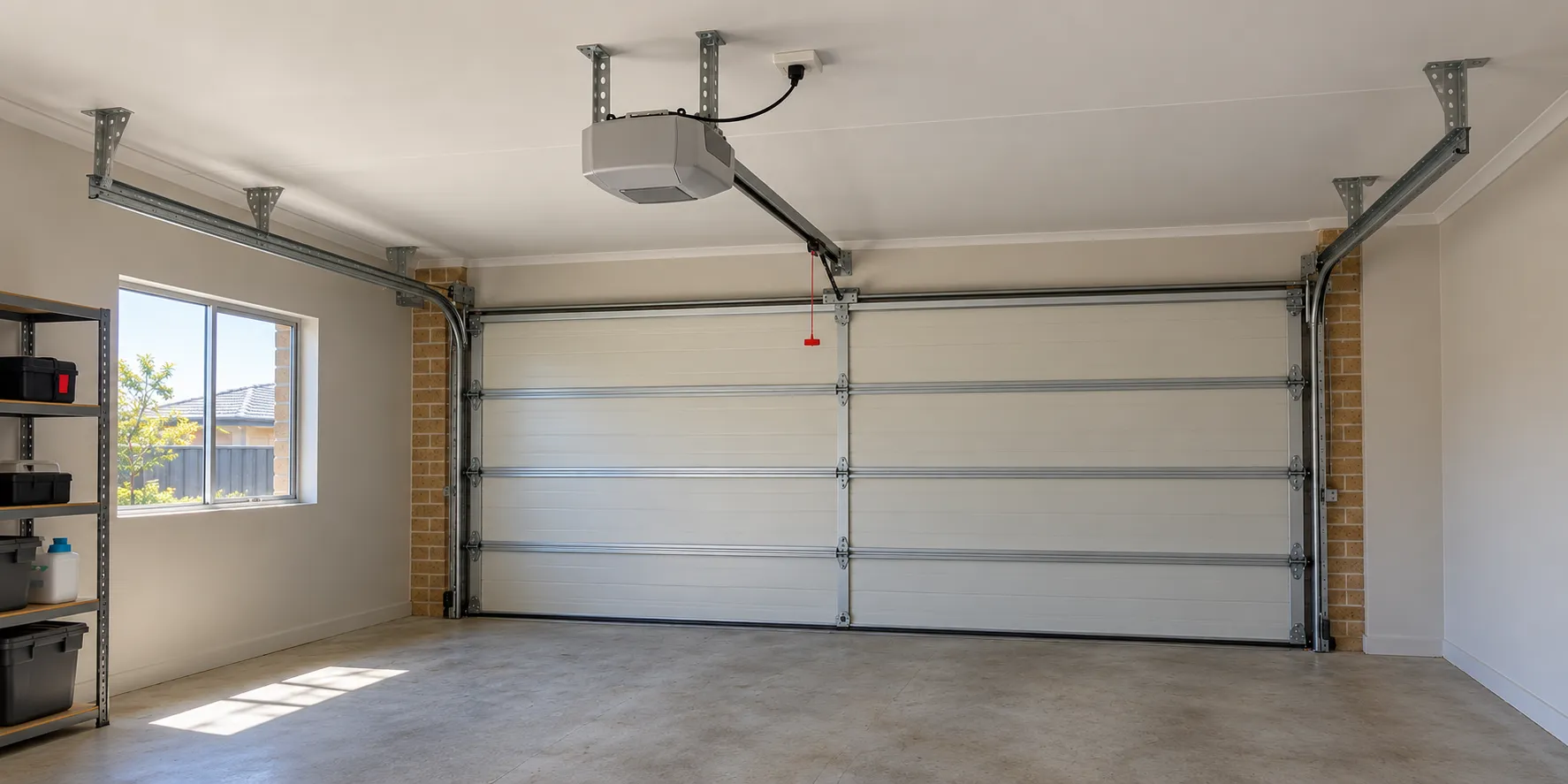
The right motor must suit the garage door and the household's operating pattern. A higher power rating does not automatically mean an opener can handle frequent use with short gaps between operations.
Compare the manufacturer's specifications for the exact model being quoted. Door compatibility, operating limits and any required recovery periods should all be considered rather than relying on a single headline figure.
Electrical power consumption describes an electrical characteristic of a motor. It is not the same as door capacity and does not establish how frequently the opener can operate. Force ratings and other performance figures also need to be interpreted in the context of the manufacturer's specifications.
Door dimensions, weight and construction influence motor selection. The mechanism matters as well, as roller door motors and sectional door motors are designed for different door systems. Available mounting space and the requirements of the existing door system may further narrow the options.
For roller doors, the door's construction and compatibility with the proposed opener are important considerations. The article on choosing the right roller garage door for your home provides additional background when assessing suitable options.
Ask the installer which characteristics of the existing door were considered when selecting the motor. A suitable recommendation should account for the actual door rather than relying on a general description, such as a double garage.
A garage door motor's duty cycle describes its permitted operation and rest periods under specified conditions. Depending on the model, the manufacturer may provide information about running time, the number of cycles within a period or the pauses required between operations.
These specifications are not always directly comparable. If one model lists a cycle limit and another describes operating time, ask the installer to explain how each performs under the household's expected routine rather than assuming one is more capable.
Some motors include thermal protection that temporarily interrupts operation when temperature limits are reached. The conditions that trigger this protection and the process for resuming use depend on the model. Ambient temperature and installation conditions may also affect operation.
When comparing two proposed motors, check their suitability for the door, documented operating limits, recovery requirements and any relevant temperature restrictions. Ask the installer to explain how each model's specifications accommodate the busiest sequence of departures and arrivals.
A higher power rating alone does not establish better heat management or shorter recovery periods.
A poorly balanced door, binding mechanism or other movement problem needs professional assessment. Installing a stronger motor will not resolve the underlying cause of excessive resistance and may leave the original problem unaddressed.
A qualified technician can assess the door's balance, movement and compatibility before recommending a replacement opener. Spring adjustments and mechanical repairs should be left to a suitably qualified professional, while electrical work must be performed by a licensed electrician.
NSW Government guidance on electrical safety explains the importance of using a licensed electrician for electrical wiring work.
Before accepting a quote, ask whether the recommendation assumes that any existing door faults will be corrected first. This helps distinguish a suitable motor upgrade from an attempt to overcome a problem with the door itself.
Describe the busiest part of the household's routine to each supplier and ask them to assess the exact model against those requirements. Comparing specific models and their documented limits is more useful than simply asking which motor is strongest or fastest.
The main questions should cover repeated operation, required recovery periods and what to expect during normal use. They should also clarify when an interruption may indicate a fault rather than a normal operating limit.
Ask the installer whether the proposed model can accommodate the number of complete cycles performed during the household's busiest period. Provide the approximate gaps between operations as well as the daily total.
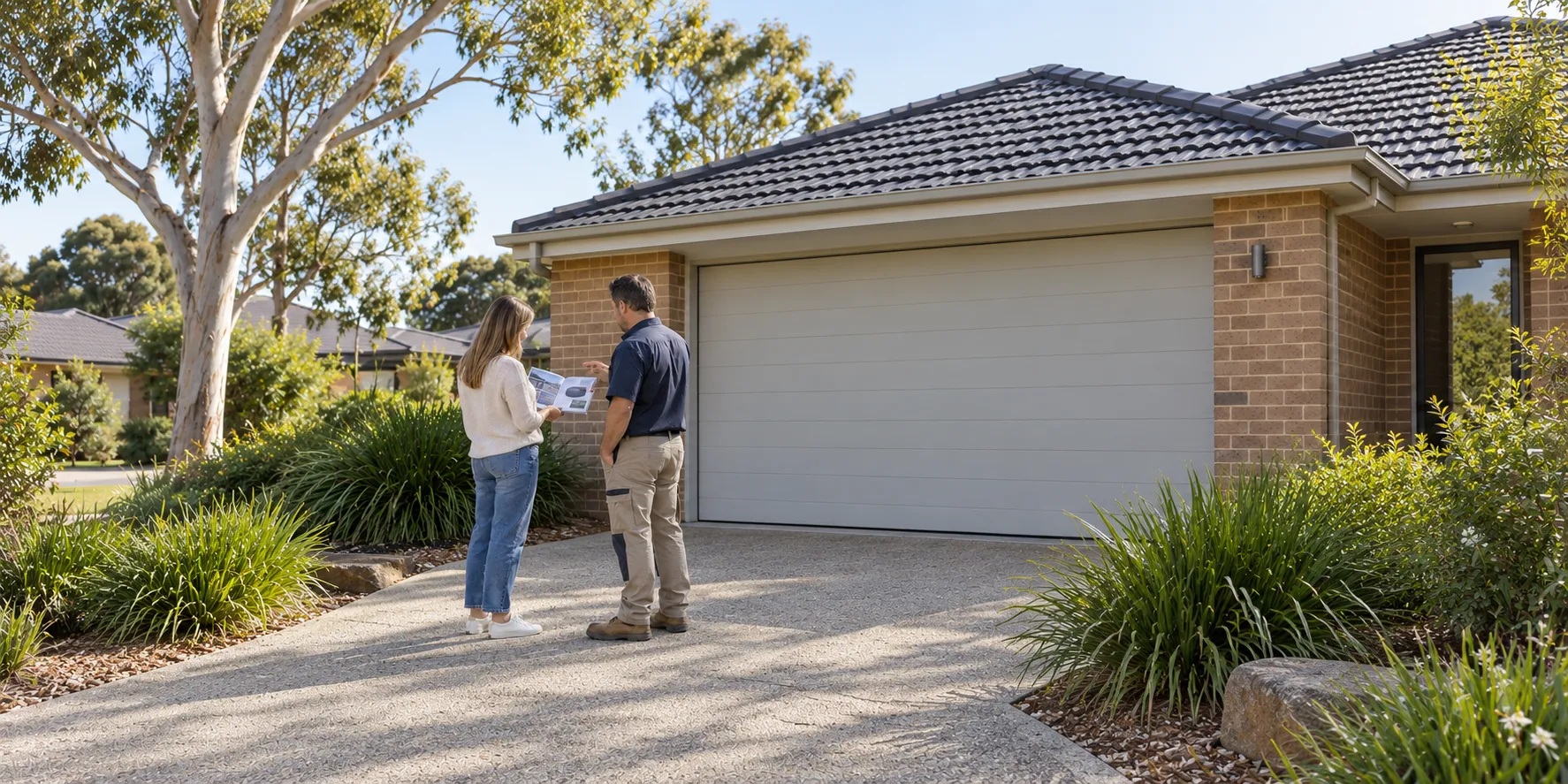
The ACCC’s guidance on consumer guarantees explains why it is important to tell the supplier how the motor will be used and confirm its suitability before purchasing.
Request an explanation based on the manufacturer's documentation. If the specifications do not provide a straightforward cycles-per-hour figure, ask what information supports the recommendation and whether any operating conditions need to be considered.
It is also worth asking whether the motor requires recovery periods between operations and whether the household's normal morning routine falls within its stated limits.
Ensure the quote identifies the exact model being recommended. This allows the household to compare the relevant specifications rather than relying on a broad product category or power rating.
Ask the installer to explain how the proposed motor behaves during repeated operation and whether it has thermal protection. If a protective interruption occurs, establish how it is identified and what the manufacturer recommends before resuming use.
Unexpected stopping does not necessarily mean the motor is undersized. Door resistance, an obstruction, a safety response or a mechanical fault may be responsible. Repeated interruptions during normal household use warrant professional assessment rather than an immediate upgrade to a larger motor.
Safety systems must remain effective regardless of how frequently the garage door is used. The overview of garage door safety features provides useful background for discussing these systems with an installer. Safety features should never be bypassed, and a door that behaves unexpectedly should not be operated repeatedly in an attempt to make it work.
Before accepting a quote, establish whom to contact if the installed motor struggles with the routine described. Recording when interruptions occur and noting any displayed indicators can help a technician investigate the problem. The ACCC’s guidance on warranty rights explains how manufacturer warranties operate alongside automatic consumer guarantees.
Travel speed affects how long the door takes to open or close, but it does not necessarily indicate greater capacity for repeated use. A faster opener may still have operating limits or recovery requirements that need to be considered.
If speed is important to the household, compare it alongside door compatibility, duty cycle and other relevant specifications. The motor must suit the door throughout its travel and accommodate the expected pattern of operation.
To discuss a suitable motor with Advanced Garage Door Systems, have the door details, usual daily cycle count and busiest sequence of trips ready.

